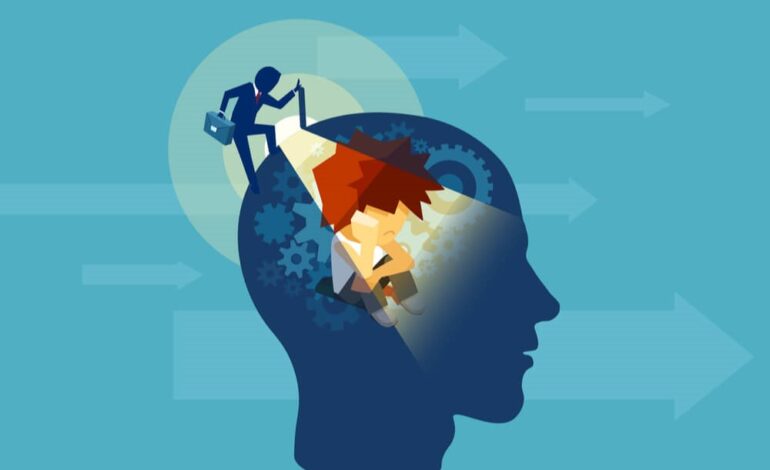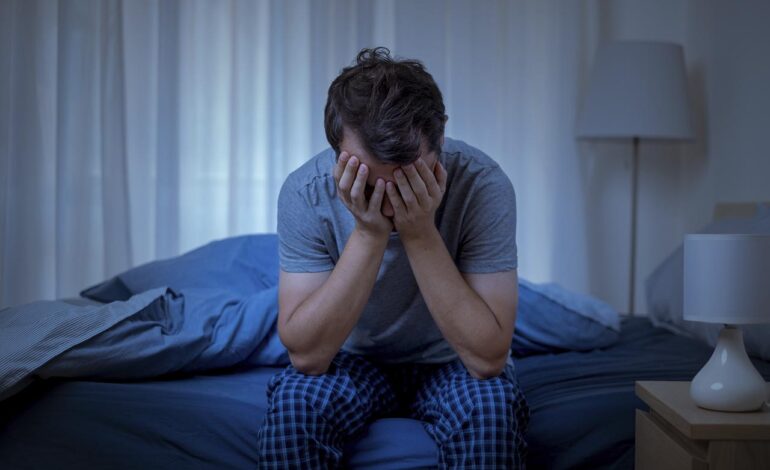

Sleep disorders affect millions worldwide, influencing daily living and overall health. This article explores various types of sleep disturbances, their underlying causes, and the most effective treatments available. Discover how understanding these factors can support better sleep hygiene and improve quality of life.
Types of Sleep Disorders
Sleep disorders encompass a range of issues that affect sleep quality, timing, or duration. The most common types include:
- Insomnia: Difficulty falling or staying asleep.
- Sleep Apnea: Interrupted breathing during sleep.
- Restless Legs Syndrome: Uncomfortable sensations in the legs, accompanied by a strong urge to move.
- Narcolepsy: Sudden sleep attacks and overwhelming daytime drowsiness.
Causes of Sleep Disorders
The causes of sleep disorders can be multifaceted, involving physical, psychological, and environmental factors. Common causes include:
- Stress and anxiety impacting the ability to relax.
- Medical conditions such as asthma or arthritis, causing discomfort.
- Lifestyle factors, including caffeine or alcohol consumption.
- Environmental interruptions like noise or light interference.
Effective Treatments for Sleep Disorders
Treatment options vary depending on the specific sleep disorder and its causes. Common treatments include:
- Cognitive Behavioral Therapy (CBT) for insomnia, focusing on changing thoughts and behaviors.
- Continuous Positive Airway Pressure (CPAP) for sleep apnea to keep airways open.
- Medications may be prescribed to address specific symptoms or conditions.
- Adopting healthy sleep habits and maintaining a consistent sleep schedule.
Conclusão
In conclusion, understanding the types and causes of sleep disorders is crucial for seeking appropriate treatment. By addressing these conditions with a combination of cognitive therapy, lifestyle adjustments, and medical intervention, individuals can significantly improve their sleep quality and overall well-being. Increasing awareness and education around sleep hygiene can lead to healthier, more restful sleeping patterns.