Israel’s Easing of Aid Restrictions in Gaza: A Path Toward Resolution?

Amid escalating tensions and pressures from the international community, Israel has announced plans to ease aid restrictions to Gaza. This move seeks to address growing humanitarian concerns while navigating complex geopolitical dynamics. This article explores the implications of these changes and potential impacts on both the Gazan populace and regional stability.
Background and Context
The blockade on Gaza by Israel has long been a point of contention in international discourse. Implemented initially for security reasons, the restrictions have significantly impacted the daily lives of Gazans. Past efforts to ease these restrictions were met with varied reactions, necessitating understanding this complex historical context.
Details of the Eased Restrictions
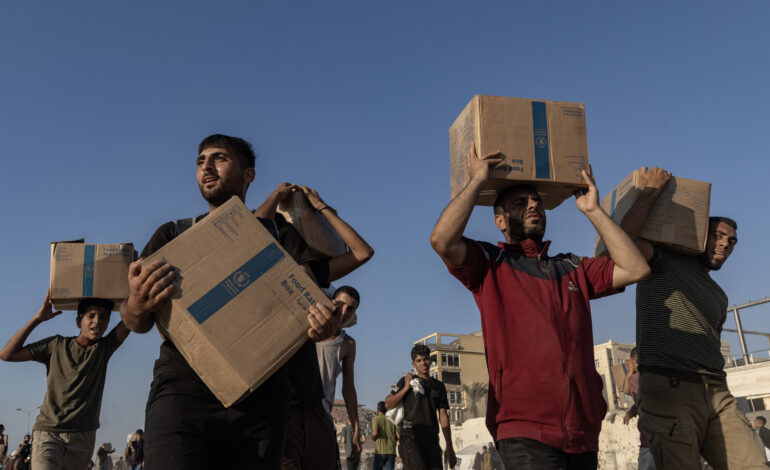
The recent announcement marks a shift in policy, allowing for increased passage of goods and essential aid. These changes include easing the movement of construction materials and humanitarian aid. The aim is to address immediate humanitarian needs while avoiding security risks.
Reactions from the Global Community
International players such as the United Nations and NGOs have welcomed the move but urge further actions. The response from Palestinian authorities has been cautious, emphasizing the need for a comprehensive solution. Many advocate for continued dialogue to ensure peace and stability.
Potential Outcomes and Challenges
The relaxation of aid restrictions may improve socioeconomic conditions in Gaza but also poses unique challenges. Balancing security with humanitarian needs requires careful monitoring and engagement from all parties involved. The path forward involves addressing deep-rooted issues through ongoing negotiations.
Conclusion
The easing of aid restrictions on Gaza by Israel is a gesture with significant humanitarian and political ramifications. While it offers immediate relief, it is crucial that both local and international stakeholders work collaboratively toward a long-lasting peace solution. Future engagement and negotiations will be key in addressing the longstanding issues in the region.