
Reckoning the Risks: Kites and Aviation Safety in Indonesia

In Indonesia, the cultural pastime of kite flying has posed significant challenges to aviation safety, with kites sometimes endangering planes. This article explores the implications of these airborne activities, the authorities’ responses, and ongoing solutions to balance tradition with modern air traffic demands.
Cultural Significance of Kite Flying in Indonesia
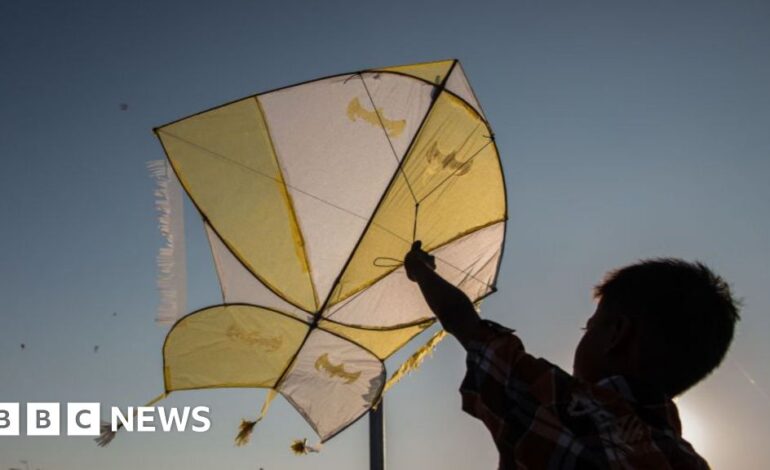
Kite flying is more than just a pastime in Indonesia; it is a cultural tradition rich in history. Across various islands, colorful kites fill the skies, transforming them into vibrant displays of artistry and skill. However, this beloved tradition inadvertently poses challenges to aviation as skies shared between kites and aircraft become potential zones of conflict.
Aviation Safety Concerns
The proximity of kites to airports and flight paths has prompted growing concerns among aviation authorities. Incidents of kites becoming entangled on landing gear and engines highlight the perilous implications for flights. As kites ascend, so does the risk, necessitating a critical evaluation of existing airspace regulations.
Government Interventions and Public Awareness
In response to these threats, Indonesian authorities have initiated campaigns to educate the public about responsible kite flying practices. Collaborations between communities and airport officials aim to redefine safety standards, prioritizing both cultural preservation and technological integrity. These efforts emphasize zones where kite flying is permissible without endangering air traffic.
Conclusion
As kite flying remains an integral part of Indonesian culture, balancing this tradition with aviation safety is crucial. Regulations and education can mitigate risks, ensuring that both kites and aircraft coexist without jeopardizing public safety. The commitment to a shared airspace reflects the country’s dedication to preserving cultural practices while ensuring technological progress.