
The integration of Artificial Intelligence (AI) in agriculture is transforming the way farmers manage their operations for better productivity and efficiency. Producers are now discussing the impact AI technology may have on revolutionizing traditional methods. This article delves into the challenges and benefits of implementing AI tools in farming.
The Role of AI in Enhancing Crop Yield
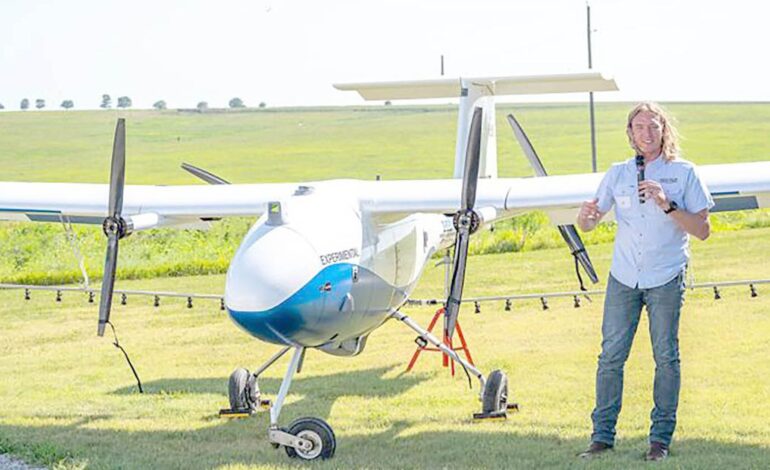
AI technology is playing a crucial role in supporting farmers by optimizing crop yields. By analyzing vast amounts of data, AI systems provide insights on the best planting times, pest control methods, and water usage, leading to more precise farming techniques. This translates to increased crop production while minimizing environmental impacts. AI tools like drones and automated tractors streamline planting and harvesting, further boosting efficiency. By automating routine tasks, farmers can focus on strategic decision-making, which is essential in a competitive market.
Overcoming Challenges in AI Integration
Despite the benefits, integrating AI into agriculture presents certain challenges. High initial costs and the need for technical expertise can be barriers for small-scale farmers. However, advancements in technology are steadily reducing these obstacles. Governments and private organizations are stepping up to provide training programs and subsidies to ease the transition. Data privacy and security also remain significant concerns. As AI systems rely on large datasets for accurate predictions, safeguarding sensitive information becomes crucial. Addressing these issues will require joint efforts from tech developers and agricultural bodies.
Future Prospects of AI in Farming
The future of AI in agriculture looks promising, with continuous innovations leading to smarter and more efficient farming practices. By embracing AI, producers can adapt to climate changes, meet increasing food demands, and ensure sustainability. Future technologies like machine learning algorithms will enable more accurate weather predictions and soil health monitoring, optimizing resource use. As AI tools become more accessible, even small farms can leverage these innovations to compete on a global scale. Investing in AI-driven technologies will be key to the future resilience of the agriculture sector.
Conclusion
AI’s integration into agriculture is set to revolutionize how farmers manage resources and increase productivity. Despite hurdles such as cost and data privacy, the benefits of AI, including improved efficiency and sustainability, cannot be overlooked. Continued innovation and collaboration will be essential for unlocking the full potential of AI in farming.