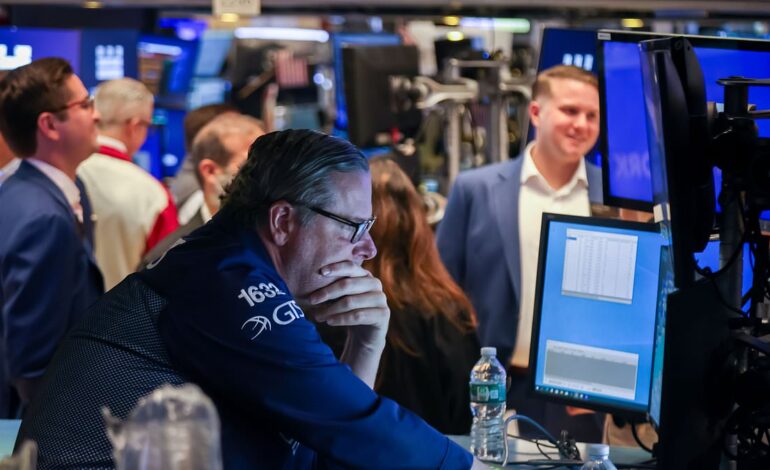

The tech world is on high alert as AI stocks experience significant fluctuations. A recent study warns that AI investments could yield zero returns, causing fears of a potential industry bubble burst. Investors are scrambling for answers as they grapple with the market’s unpredictable behavior.
The Rise and Potential Fall of AI Investments
Artificial intelligence has been at the forefront of technological advancements, attracting vast investments and attention from diverse sectors. However, a recent study raises red flags about the sustainability of AI’s financial prospects. With tech stocks plummeting, investors are worried about the possibility of a bubble, which could lead to significant losses. The tech sector’s rapid growth has been exhilarating, but its volatility underscores a precarious foundation that could unravel under market pressure.
Market Reactions to Troubling Indicators
As news of potential zero returns from AI investments spreads, the tech stock market is experiencing a downward trajectory. Investors are evaluating their portfolios, leading to a sell-off in AI-related stocks. This reaction reflects broader concerns about overvaluation and the sustainability of AI’s hype. Analysts suggest that while AI promises transformational capabilities, the current market enthusiasm may not be justified by tangible business impacts, leading to fear-driven market dynamics.
Navigating the Uncertain AI Market Landscape
For investors, understanding the underlying factors driving AI stock prices is crucial. This turbulent phase presents both risks and opportunities. Caution is advised, as rushing to divest or invest based on short-term indicators can lead to substantial financial setbacks. Experts recommend a balanced approach, focusing on companies with strong fundamentals and clear paths to profitability. As AI technology continues to evolve, the market’s maturation may eventually stabilize with strategic investments.
Conclusion
The AI sector faces a critical juncture where investor confidence is shaken amidst fears of a bubble burst. While the promise of AI remains significant, caution and strategic investment are necessary to navigate its current volatility. Stakeholders must adapt to emerging market realities, balancing optimism with a pragmatic assessment of AI’s economic impact.