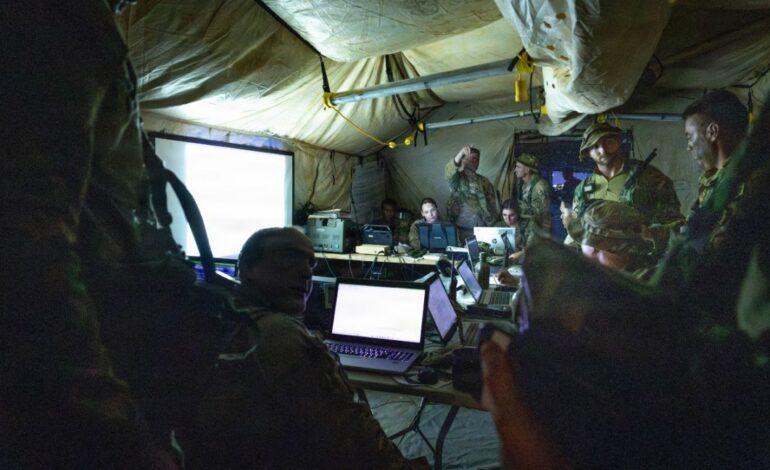

The integration of artificial intelligence into military operations challenges the traditional role of audacity in command. This article explores how AI reshapes decision-making, impacting military leadership and strategies.
Evolving Landscape of Military Command
Traditionally, military command has heavily relied on the audacity and intuition of its leaders. However, the rise of artificial intelligence offers a game-changing dynamic in how decisions are made. AI can process vast amounts of data more swiftly and accurately than humans, potentially redefining battlefield tactics. Yet, the concern remains whether AI can replicate the bold instincts that have historically led to significant victories.
Artificial Intelligence in Strategic Decision-Making
AI introduces numerous advantages into military strategy, offering enhanced predictive analytics, efficiency, and risk assessment. Commanders are now equipped with tools that provide deep insights into adversary patterns and environmental conditions. However, this raises questions about the human element in decision-making and whether reliance on data-driven methods might suppress the creative and often necessary boldness characteristic of human leadership.
Balancing Human Judgment and AI Capabilities
Achieving an effective balance between AI and human input in command structures is critical. While AI can suggest optimal strategies, human judgment is essential in understanding the nuance and ethics of field operations. Commanders must learn to leverage AI’s strengths while maintaining the courage and audacity required for unpredictable scenarios, ensuring that decisions are both informed and aligned with human values and strategic goals.
Conclusion
As AI continues to influence military command, it is imperative to balance its capabilities with human audacity and intuition. The future of strategy will likely depend on this synergy, ensuring decisions are not only efficient but also bold and adaptive.