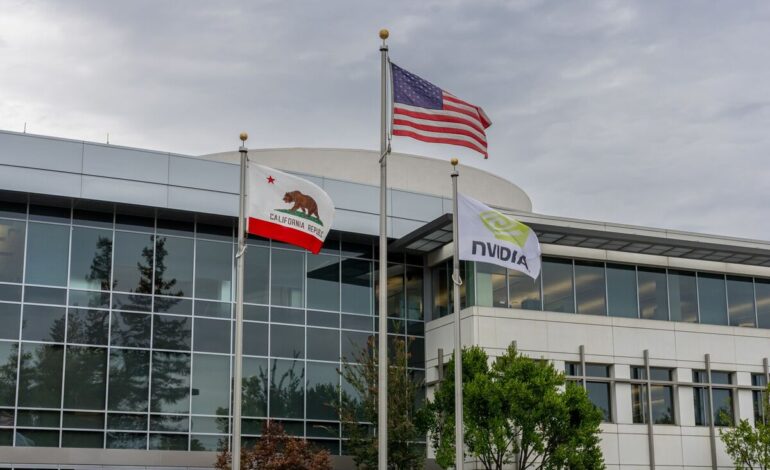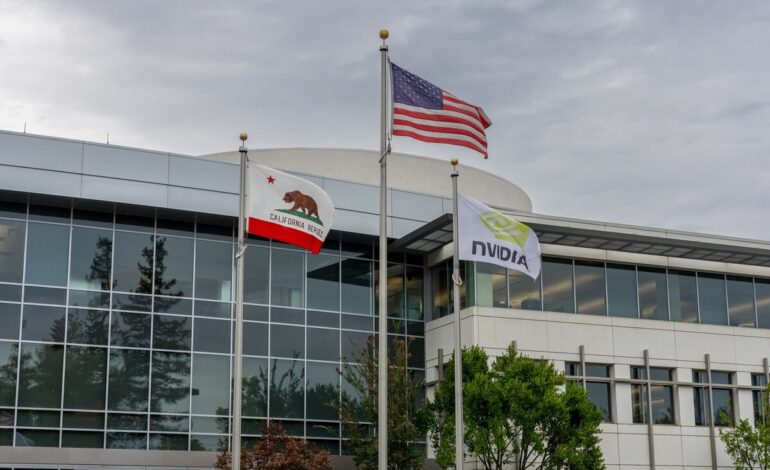

Amidst increasing global pressure for AI governance, California is seeking to implement new regulations on artificial intelligence. This move encounters significant opposition, particularly from the federal government under Trump. This article delves into the impending regulatory landscape and its broader implications.
The Push for AI Regulation in California
California, known for its pioneering tech industry, is now at the forefront of AI regulation. Lawmakers have proposed new measures to ensure responsible AI use, addressing concerns over privacy, bias, and ethical use. These regulations aim to balance innovation with accountability, ensuring AI operates in ways that prioritize public safety and human rights. As AI technologies rapidly evolve, the state’s proactive approach seeks to establish a framework that other states and nations might follow, setting a precedent for AI governance.
Federal Opposition and Political Challenges
Despite California’s push for AI regulations, it faces significant federal resistance. The Trump administration, emphasizing minimal governmental interference, argues that these state-imposed regulations could stifle innovation and create a fragmented regulatory environment. Tensions are rising as state and federal objectives clash, highlighting the complex balance between encouraging technological advancement and safeguarding public interest. These political dynamics add layers of complexity to the discussions, with stakeholders on both sides advocating for their vision of AI’s future.
Potential Impacts on the AI Industry
If California’s regulations come into effect, the implications for the AI industry could be substantial. Companies may need to adjust their operations to comply with new standards, possibly incurring additional costs or altering product designs. However, these regulations could also drive innovation by prompting companies to develop safer, more ethical AI technologies. This legislation could serve as a catalyst for comprehensive federal policies, pushing the United States towards a more unified approach to AI regulation. Ultimately, these changes could shape the AI industry’s trajectory in significant ways.
Conclusion
California’s efforts to regulate AI signify a critical juncture in technology governance. Despite federal contention, this push may set a new industry standard, balancing innovation with ethical responsibility. The outcome of this regulatory battle will be pivotal for the future of AI in both California and beyond.