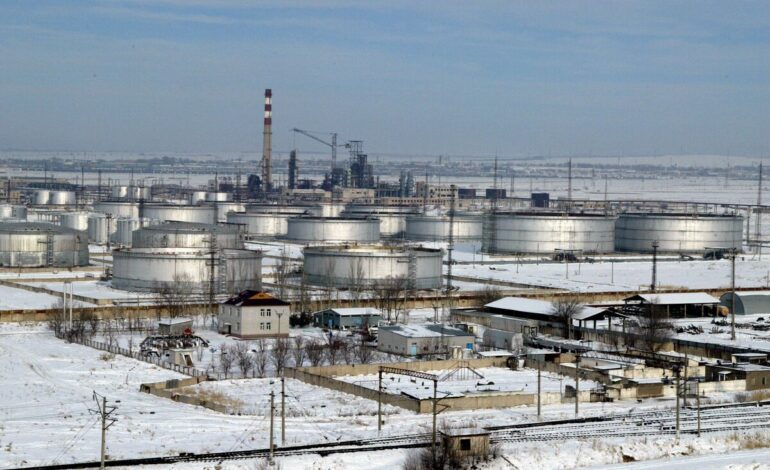
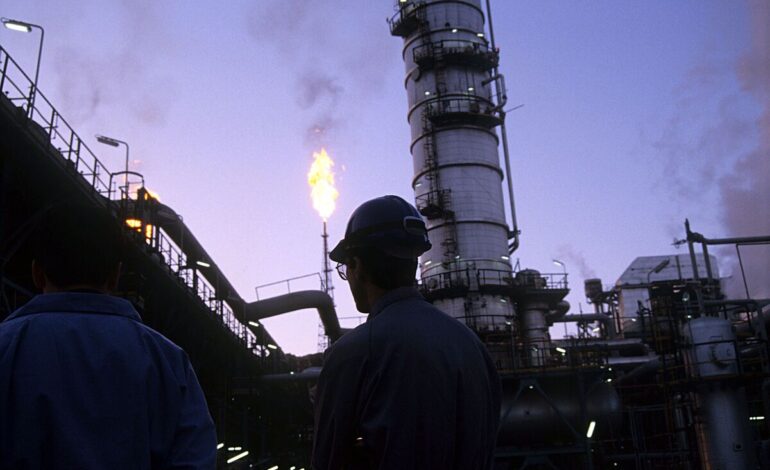

Iran’s oil industry is facing a significant challenge as national protests coincide with a notable slump in oil inventories. This article explores the underlying causes of this decline, the protests’ impact on the oil sector, and the broader implications for global oil markets as reported by the analytics firm Kayrros.
The Catalyst: Protests Across Iran
The recent wave of protests in Iran has been fueled by widespread discontent over economic hardships and political grievances. These protests have disrupted various sectors, including the country’s vital oil industry, compounding Iran’s economic troubles.
Impacts on Oil Inventories
Amidst this turmoil, Iran’s oil inventories have sharply declined. According to Kayrros, a leading energy analytics firm, the disruptions in production and transportation have resulted in reduced output and delivery, affecting both domestic supply and international exports.
Global Oil Market Ripples
The slump in Iran’s oil inventories has had broader repercussions. With Iran being a key player in OPEC, these reductions have contributed to fluctuations in global oil prices, stirring concerns over long-term supply stability. This situation underscores the interconnected nature of global energy markets.
Future Projections and Challenges
Looking forward, the trajectory of Iran’s oil industry remains uncertain. Political stability and policy responses will play crucial roles in determining whether the country can stabilize its oil production and inventory levels, influencing both domestic recovery and global market responses.
Conclusion
The intersection of political unrest and economic pressures in Iran has led to a significant slump in oil inventories, with far-reaching effects on the global oil market. As the situation unfolds, it remains crucial for stakeholders to monitor geopolitical developments and their potential to reshape energy dynamics.