House Overturns Mining Ban Near Minnesota’s Boundary Waters Wilderness

The U.S. House of Representatives recently voted to overturn a previous ban on mining activities near the pristine Boundary Waters Wilderness in Minnesota. In this article, we delve into the reasons behind the decision, the potential environmental impacts, and the reactions from various stakeholders involved.
Understanding the Boundary Waters Region
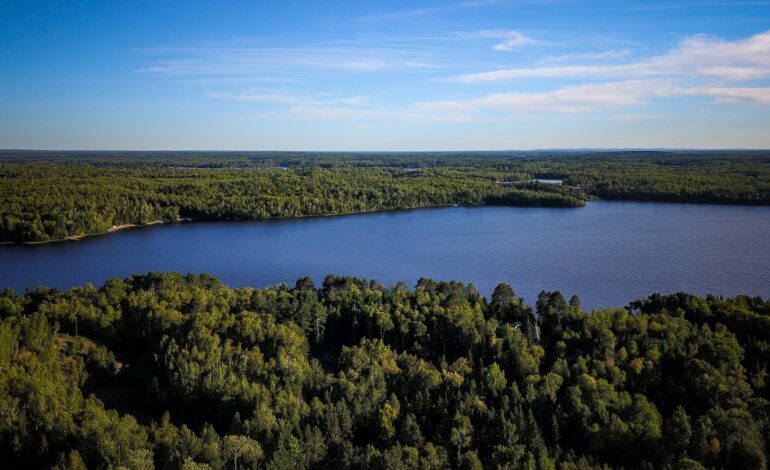
The Boundary Waters, located in northeastern Minnesota, is a vast wilderness area known for its interconnected waterways, forests, and rich biodiversity. It attracts thousands of visitors annually and is considered a critical habitat for several wildlife species.
Background on the Mining Ban
The ban on mining near the Boundary Waters was initially instituted to protect the fragile ecosystem from potential contamination from mining operations. This decision reflected concerns from environmental groups and local communities about the long-term impacts of mining on water quality and biodiversity.
House Vote to Repeal the Ban
The recent vote to repeal the mining ban marks a significant shift in policy. Proponents argue that overturning the ban could boost the local economy and create jobs, citing advancements in mining technology that could mitigate environmental risks. Conversely, critics worry about irreversible damage to the wilderness area.
Potential Environmental Impacts
Opponents of the repeal highlight the risks associated with mining activities, such as water pollution, habitat destruction, and adverse effects on local wildlife. The Boundary Waters is particularly vulnerable to contamination due to its interconnected aquatic systems, which could spread pollutants over a wide area.
Stakeholders’ Reactions
The decision has drawn mixed reactions from different stakeholder groups. Environmentalists and local residents express concerns over the potential threats to the ecosystem, while some political leaders and business groups focus on the potential economic benefits of mining development.
The Future of Mining Near Boundary Waters
With the ban lifted, the focus now shifts to ensuring that any potential mining activities are conducted responsibly. This includes enforcing robust environmental regulations, conducting thorough impact assessments, and engaging with local communities to address their concerns.
Conclusion
The repeal of the mining ban near Minnesota’s Boundary Waters Wilderness opens the door to potential economic development. However, it also raises significant environmental concerns. The future of mining in the region will require balancing economic interests with preserving the ecological integrity of this treasured wilderness. Stakeholder engagement and strong regulations will be crucial in achieving this balance.