
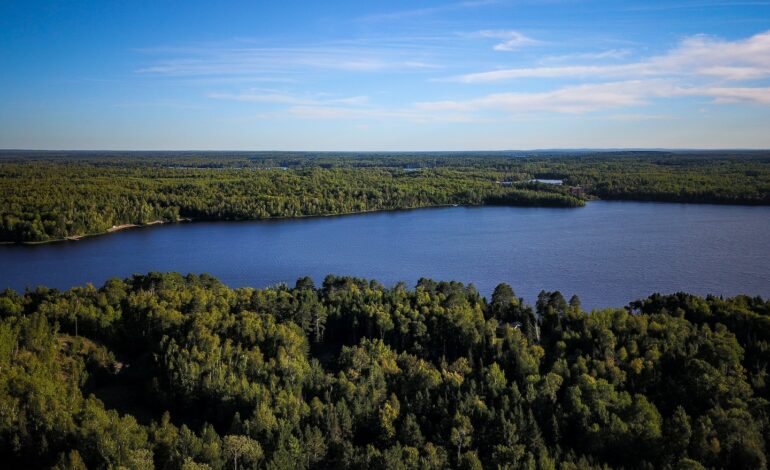
House Repeals Mining Ban Near Minnesota’s Boundary Waters Wilderness

In a pivotal move, the House has voted to repeal the ban on mining near the renowned Boundary Waters wilderness in Minnesota. This decision has sparked intense debate over economic gains versus environmental conservation, with stakeholders on both sides presenting compelling arguments. Examining this development, we delve into the potential impacts and future implications of this legislative change.
The Legislative Decision
In a significant legislative session, the House decided to overturn the existing ban on mining activities near the Boundary Waters wilderness. This move has been lauded by proponents for its potential to stimulate job creation and economic growth in the region. Critics, however, raise alarms about the environmental risks and the potential degradation of pristine wilderness areas.
Environmental Concerns
Environmentalists and conservation groups have expressed profound unease regarding the potential ecological impact of reinstating mining operations. **The Boundary Waters region**, renowned for its pristine water bodies and diverse wildlife, could face detrimental changes in ecosystem health, water quality deterioration, and habitat disruption. These concerns underscore the need for rigorous environmental assessments and regulation enforcement.
Economic Opportunities
Proponents of the decision highlight the economic imperatives that accompany the repeal. **Mining operations are expected to bring considerable investment** into Minnesota, generating jobs, boosting local businesses, and enhancing tax revenues. Advocates argue that with proper environmental oversight, it is possible to harness economic benefits while safeguarding environmental integrity.
Stakeholder Perspectives
Multiple stakeholders, including local communities, businesses, environmental agencies, and advocacy groups, hold diverse perspectives on the issue. While some community members welcome the economic promise, others remain wary of environmental degradation. Effective dialogue and policy-making are crucial to addressing these multifaceted views and achieving a consensus-driven approach.
Future Pathways
As the debate unfolds, there is a pressing need to establish sustainable mining practices that minimize environmental impact and promote long-term community benefits. Collaborative efforts between government bodies, industry players, and environmental groups could pave the way for innovation in mining technology, ensuring minimal ecological disturbance in the process.
Conclusion
The repeal of the mining ban near Boundary Waters brings forward a complex interplay of environmental stewardship and economic advancement. As both prospects and concerns loom large, the region’s future hinges on balanced decision-making that respects ecological sanctity while exploring economic opportunities. As deliberations continue, stakeholders must work collaboratively to ensure sustainable outcomes for Minnesota’s cherished wilderness.