The End of Iran’s Protests: Government Claims a Return to Control

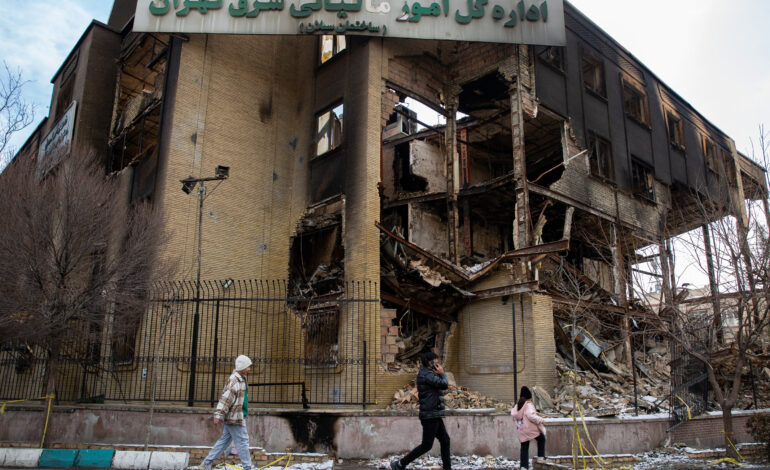
In early 2026, the Iranian government declared that nationwide protests had been completely subdued. This article examines the dynamics of these protests, the government’s response, and the broader implications for Iranian society and the international community.
Background of the Protests
In recent years, Iran has experienced a series of protests sparked by economic hardships, political dissatisfaction, and calls for greater freedoms. These demonstrations gained momentum, fueled by discontent with government policies and a persistent demand for change.
Government’s Response Strategy
The Iranian government employed a multi-faceted approach to quash the protests, involving a combination of crackdowns, strategic arrests, and controlled media narratives. These measures significantly undermined the movement’s momentum.
Impact on Iranian Society
The suppression of the protests has left societal and psychological impacts. Resentment and fear continue to simmer beneath the surface, with many Iranians feeling disillusioned by the lack of reform and perceived governmental overreach.
International Reactions
The international community has responded with a mix of condemnation and calls for dialogue. Global powers remain concerned about human rights in Iran, while potential ramifications on regional stability have also been a focal point.
Future Outlook
Looking forward, the future of political activism in Iran remains uncertain. While the government has regained immediate control, the underlying issues fueling dissent are unlikely to dissipate without significant reforms.
Conclusion
In conclusion, the Iranian government asserts it has restored order by quashing protests, but underlying societal tensions persist. The ongoing struggle between calls for reform and governmental control continues to shape Iran’s political landscape, affecting both internal stability and international relations.