Trump Abandons Greenland Acquisition Plans, Lifts Tariff Threats on NATO

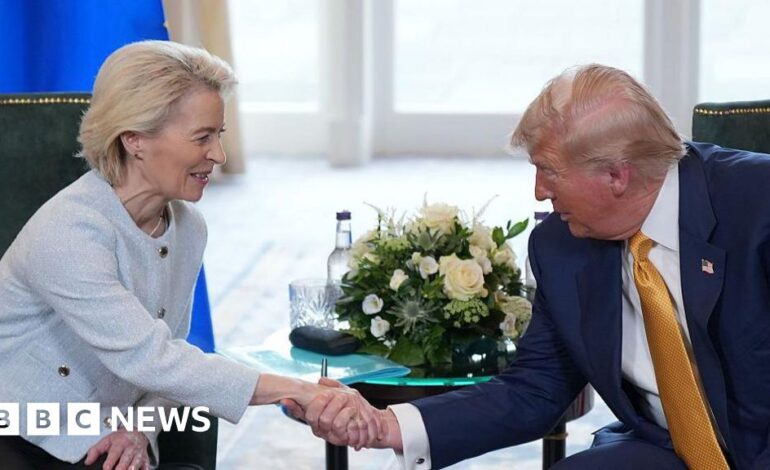
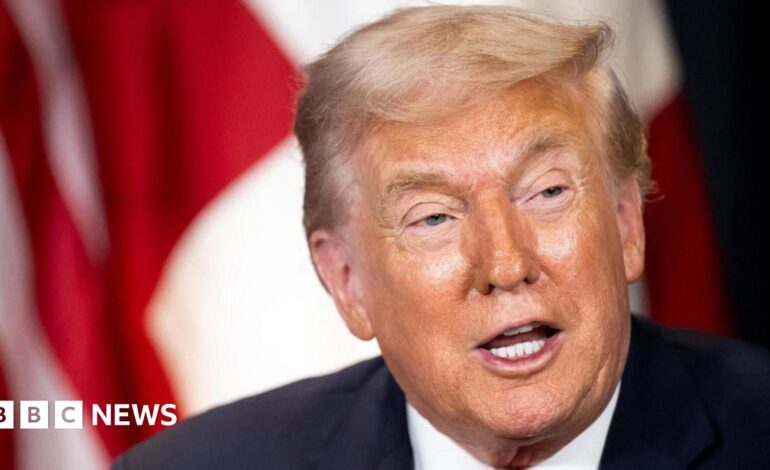
In a significant policy shift, former President Donald Trump announced that the United States would not pursue the acquisition of Greenland and dropped threats of imposing tariffs on NATO allies. This article delves into the implications of this decision on international relations and examines the broader geopolitical context.
The Controversial Greenland Acquisition Plan
Former President Trump’s interest in purchasing Greenland sparked widespread controversy. The idea was initially perceived as unconventional, with Greenland’s authorities rejecting the notion outright. Trump’s plan was seen as an extension of his broader strategy to strengthen American geopolitical influence, leading to debates both domestically and internationally about the feasibility and motivations behind such a move.
Implications for NATO Alliances
By dropping the threat of tariffs on NATO allies, Trump took a step toward easing tensions within the transatlantic alliance. This move was critical in reaffirming the United States’ commitment to NATO, which had been questioned due to previous critical statements made by Trump regarding the organization’s efficacy and the perceived financial burdens it placed on the US.
International Reactions and Strategic Considerations
The announcement was met with a mix of relief and skepticism from international representatives. European allies viewed the easing of tension as a positive sign, yet concerns remained about the unpredictability of US foreign policy. Analysts suggest that this strategic pivot might be aimed at consolidating alliances amid growing global challenges, including tensions with China and Russia.
The Broader Geopolitical Context
Trump’s decision to abandon the Greenland purchase and ease NATO tariff threats reflects the complexity of modern geopolitical landscapes. As global power dynamics shift, maintaining strong alliances is more critical than ever. This policy revision highlights the interplay between national interests and international cooperation, underscoring the necessity of diplomatic flexibility.
Conclusion
This policy shift by Trump underscores the complexity of international politics and the ever-changing nature of alliances. By opting out of the Greenland acquisition and lowering trade tensions with NATO allies, the US signals a potential recalibration of its approach to foreign relations, indicating a strategic shift to foster stronger partnerships amidst global uncertainties.