Understanding Climate Change Amid Cold Spells: A Fact-Check on Trump’s Comments

In the wake of President Trump’s recent inquiry about global warming during a cold snap, this article examines the persistent nature of climate change. Despite temporary weather variations, scientists emphasize that global warming is an ongoing phenomenon affecting global temperatures and climate systems, warranting factual scrutiny and understanding.
Climate vs. Weather: Key Differences
Climate and weather are often confused, but they differ significantly. Weather refers to short-term atmospheric conditions, while climate describes longer-term patterns and averages. Recognizing this distinction helps to understand why cold spells don’t disprove global warming. Temporary cold weather can occur even as the planet’s average temperature steadily rises.
The Impact of Global Warming on Weather Extremes
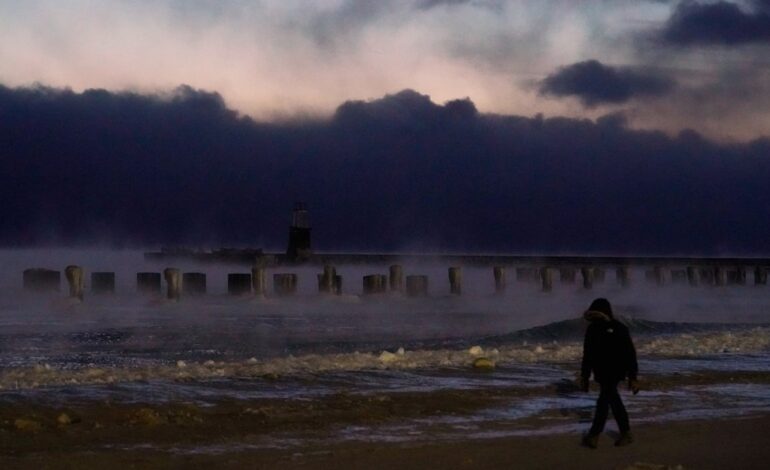
Global warming influences extreme weather events by altering climatic systems. Warmer temperatures contribute to unusual weather patterns, including both heatwaves and cold snaps. This paradox is explained by shifts in jet streams and ocean currents, affecting how and where weather extremes, such as polar vortex disruptions, manifest.
Scientific Consensus on Climate Change
An overwhelming majority of climate scientists agree on human-induced global warming. Scientific research continually supports the conclusion that carbon emissions and other anthropogenic factors are driving climate change. It’s crucial to rely on peer-reviewed studies for accurate information amidst politicized debates and misinformation.
Addressing Common Myths and Misconceptions
Climate change misconceptions persist, partly due to misinterpretations of climate science. Addressing these myths is vital for informed discourse. For instance, the existence of cold days does not invalidate rising average temperatures. Comprehensive education on climate mechanisms helps dismantle these misunderstandings.
Conclusion
In conclusion, temporary cold spells are not indicators of the absence of global warming. Global climate change is a complex, long-term process influenced by various factors. Recognizing the distinction between weather and climate is crucial for understanding the ongoing impact of human activities on our planet’s climate system.