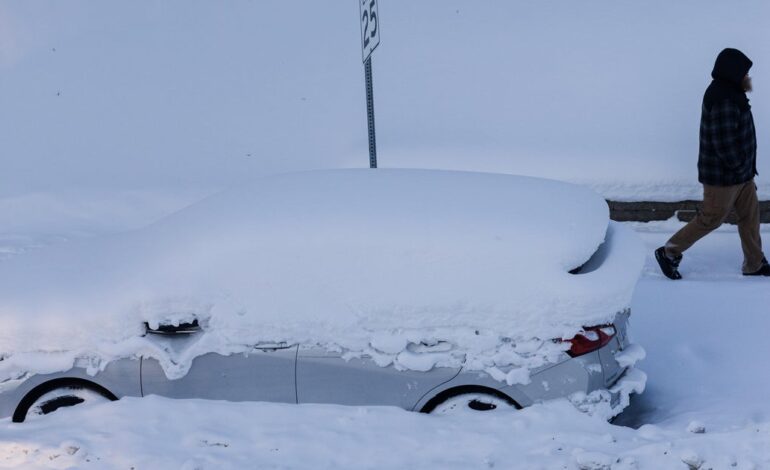
Winter Storms and Climate Change: Debunking Misconceptions

Climate change is often misunderstood, especially when extreme weather events occur. This article explores how winter storms are consistent with global warming, countering claims that they disprove climate science. By examining scientific explanations and expert insights, we unravel the complexities behind these seemingly contradictory phenomena.
Understanding Climate Change and Weather Patterns
Climate change refers to long-term shifts in temperatures and weather patterns, largely caused by human activities. **Global warming**, a significant aspect of climate change, results in increased atmospheric energy. This intensified energy can lead to more volatile weather patterns, including severe storms and unusual temperature fluctuations, challenging the misconception that cold weather negates climate change.
The Science Behind Winter Storms Amid Global Warming
While global warming might suggest milder winters, it actually enhances the atmosphere’s capacity to hold moisture, potentially intensifying precipitation, including snow. **Polar vortex disruptions**, fueled by warming Arctic conditions, can push frigid air south, contributing to severe winter storms. These phenomena underscore how warmer global temperatures can lead to extreme cold events.
Dispelling Myths: Extreme Weather and Climate Discourse
Public and political discourse often mistakenly interprets isolated weather events, like winter storms, as evidence against global warming. **Experts highlight** that individual weather events should not be confused with overarching climate trends. Instead, these events highlight the importance of understanding the broader implications of climate science and the necessity for informed discussions.
Global Implications and Future Climate Projections
Scientific models predict that with ongoing global warming, extreme weather events, including intense winter storms, may become more frequent. **This trend poses risks** to ecosystems and human societies alike, emphasizing the need for robust climate policies. Understanding the relationship between climate change and weather can aid in devising strategies to mitigate future impacts.
Conclusion
Winter storms do not contradict climate change theories. Instead, they align with scientific understanding of global warming, which predicts increased weather volatility. Comprehending this relationship is crucial in addressing climate misconceptions and fostering informed discourse.