Trump’s Stance on Iran’s Desire for Diplomacy Amid Military Tensions

Donald Trump recently claimed that Iran is inclined towards diplomacy to avoid possible military conflicts. This article delves deeply into the implications of such statements on international relations, examining current geopolitical dynamics and potential impacts on global peace and security.
Background of US-Iran Relations
The relationship between the United States and Iran has long been fraught with tension. Since the 1979 Iranian Revolution, diplomatic ties have fluctuated, affected by nuclear agreements, sanctions, and regional conflicts.
Details of Trump’s Statements
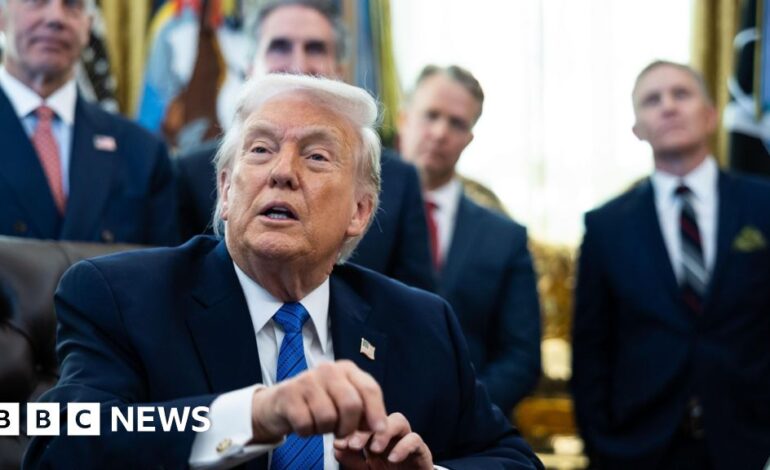
In a recent assertion, Donald Trump suggested that Iran is eager for diplomatic engagement to avoid military confrontation. This statement has sparked significant international discourse, questioning whether Iran truly seeks peace or if this is a strategic move amid growing tensions.
Iran’s Position and Reaction
Iran’s leadership has consistently maintained its stance against foreign intervention. Official responses to Trump’s statements suggest a complex mix of diplomacy and defense preparedness, indicating Tehran’s desire to pursue peaceful resolutions while being ready for potential conflicts.
Implications for Global Peace
Trump’s remarks hold significant implications for international stability. If Iran chooses diplomacy, it could lead to de-escalation in a volatile region. However, skepticism remains regarding Iran’s intentions, with various global stakeholders monitoring the situation closely.
Conclusion
Donald Trump’s assertion regarding Iran’s preference for diplomacy over military conflict highlights a critical juncture in US-Iran relations. While the potential for peaceful dialogue exists, geopolitical complexities imply a cautious approach as both nations navigate this delicate interplay of negotiation and deterrence.