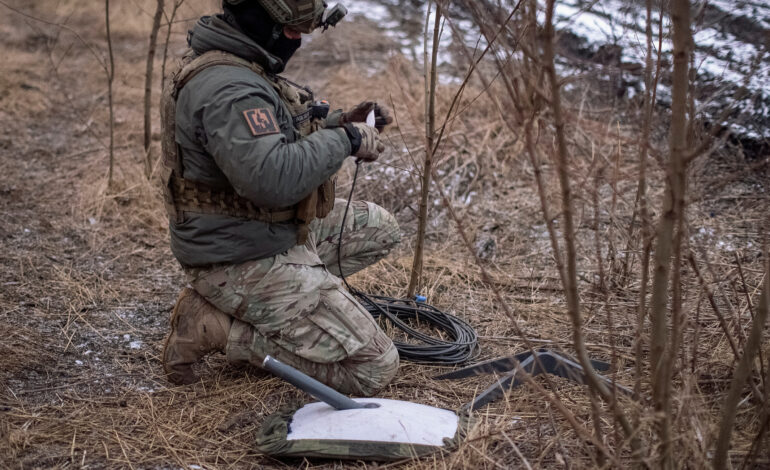
Starlink Blocks Internet Access to Russian Troops in Response to Ukraine’s Request

In a significant move amid the ongoing Ukraine-Russia conflict, SpaceX’s Starlink has blocked internet access to Russian troops at Ukraine’s request. This strategic decision is poised to impact military communications, adding a new dimension to technological warfare. This article explores the intricate implications of this action.
Background on Starlink’s Role
Starlink, operated by SpaceX, has been instrumental in providing reliable internet access in conflict zones. With its satellite-based network, it offers a dependable alternative to traditional internet infrastructure, making it invaluable in areas affected by war.
The Decision to Block Russian Troops
Following Ukraine’s request, Starlink decided to deny access to Russian military units. This maneuver underscores its active role in geopolitical conflicts and demonstrates the increasing influence of technology companies in global political landscapes.
Implications for Military Communications
By restricting online access for Russian soldiers, Ukraine aims to disrupt their command and control capabilities. This situation highlights the importance of internet connectivity in modern warfare, where strategic decisions often depend on real-time data and communications.
Reactions and Future Outlook
Global reactions to this move have been mixed, with some applauding the strategic advantage it provides Ukraine, while others view it as an escalation of technological warfare. The action by Starlink could set a precedent for how tech companies might be involved in future conflicts.
Conclusion
Starlink’s decision to block internet for Russian troops is a pivotal moment, demonstrating the power of technology in modern warfare. As tech companies increasingly influence geopolitical events, their role in conflicts will likely grow. Ukraine’s strategic request to Starlink underscores the evolving nature and complexity of warfare in the digital age.