Japan’s Political Gamble: PM Sanae Takaichi Calls for Snap Election

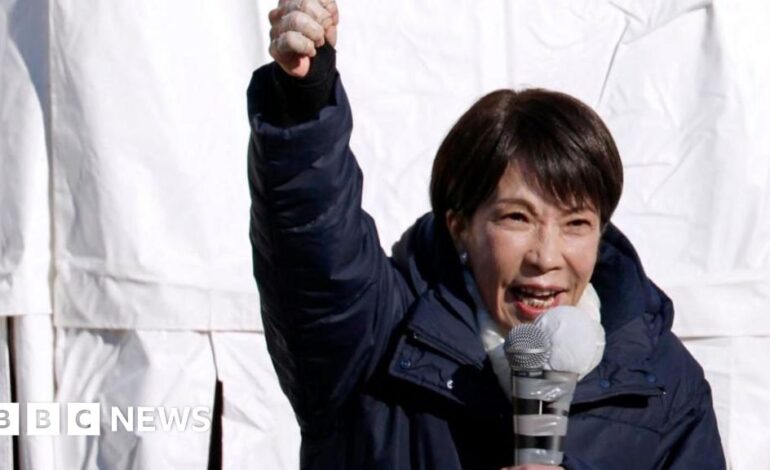
In a surprising political maneuver, Japan’s Prime Minister Sanae Takaichi has called for a snap election. This bold decision comes at a critical time and holds significant implications for Japan’s political landscape. This article delves into the factors leading to the snap election, its potential impact, and the reactions from both domestic and international observers.
Understanding the Snap Election
Snap elections are often high-risk political strategies. In Japan, such elections can reset the political agenda or shatter ruling parties’ stability. PM Sanae Takaichi’s decision is viewed as a strategic gamble, potentially reshaping Japan’s parliamentary dynamics and testing her leadership prowess.
Reasons Behind the Decision
The snap election decision aligns with Takaichi’s ambitious reform agenda, aiming to capitalize on her current popularity while addressing urgent economic and social challenges. Political analysts suggest that she seeks to solidify her influence within her party and rid any rising dissent.
Domestic Reactions
Opinions among Japanese citizens and politicians vary. While some view the election as necessary for implementing needed reforms, others see it as a strategic distraction. Various political factions are now gearing up for intense campaigns.
International Perspectives
International observers are scrutinizing Japan’s political climate, noting the potential impacts on foreign policy and economic relations. Global markets and nations with vested interests in Japan’s stability are closely monitoring the situation.
Conclusion
PM Sanae Takaichi’s snap election is a bold move with high stakes for Japan’s future. This decision could either strengthen her leadership or expose vulnerabilities within her government. As the nation prepares for elections, both domestic and international communities remain on alert, anticipating the potential transformations in Japan’s political and economic landscape.