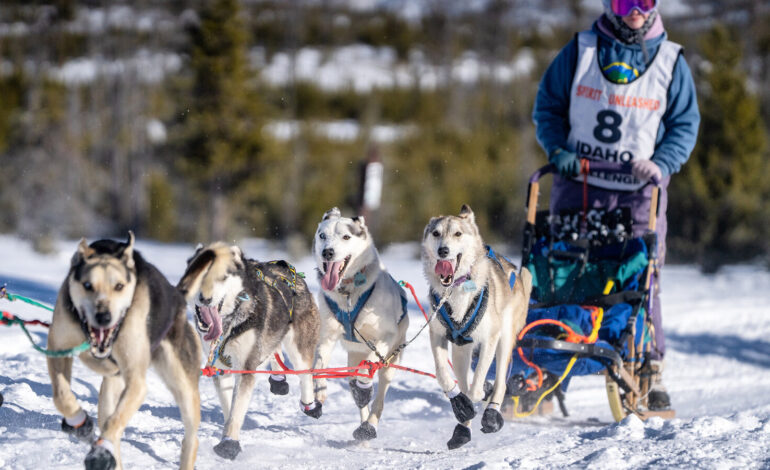
The Impacts of a Snowless West on Dog Sledding Competitions

In recent years, the lack of snow in the Western United States has led to the cancellation of renowned sled dog races. This article explores how climate change is affecting the tradition of dog sledding, the economic implications, and the efforts to adapt to these new challenges.
The Cultural and Historical Significance of Sled Dog Racing
Dog sledding has a rich history, with roots in indigenous cultures and early exploration. It has grown into a popular winter sport, celebrated in various races across snowy regions. However, the recent unpredictability of snow patterns threatens to disrupt this cherished tradition.
Climate Change and Its Impact on Snow Patterns
Shifts in climate have resulted in warmer winters, reduced snowfall, and shorter snow seasons in the Western U.S. This affects the conditions required for holding sled dog races, leading to numerous cancellations in recent years.
Economic and Social Ramifications
The cancellation of sled dog races impacts local economies, which rely on tourism and associated businesses. Communities are seeing reduced income from event-related activities, affecting livelihoods and lifestyle.
Adapting to a Changing Environment
To combat these challenges, race organizers and communities are exploring alternatives such as relocating events, investing in artificial snow, and promoting off-season activities. These adaptations aim to preserve the tradition and sustain local economies.
Conclusion
The cancellation of Western U.S. sled dog races highlights the broader impact of climate change on traditional practices. By embracing adaptation strategies, communities can preserve these events and sustain economic stability, but long-term solutions require concerted global climate action.