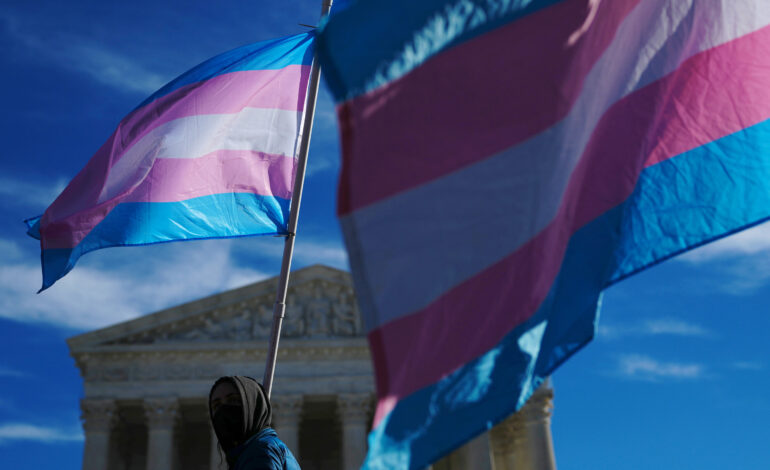
Republican States Renew Efforts to Restrict Transgender Rights

In early 2026, four Republican-led states—Kansas, Idaho, Utah, and Oklahoma—have introduced a new wave of legislation aimed at restricting transgender rights. These efforts mark a significant shift in the national conversation on gender identity, stoking debates over individual freedoms, state governance, and the impact on transgender individuals.
State Policies and Their Implications
Kansas, Idaho, Utah, and Oklahoma have each proposed a series of bills that target transgender rights. These include limiting access to healthcare, restricting participation in sports, and curbing legal acknowledgment of gender identity. Such policies have far-reaching implications, potentially affecting daily life, access to services, and societal acceptance for transgender individuals.
The Drivers Behind Legislation
The push for restricting transgender rights in these states emerges from a complex matrix of political motivations, cultural beliefs, and societal dynamics. Key influencers include political leaders looking to consolidate power, cultural movements emphasizing traditional gender roles, and pressure from constituents with conservative viewpoints.
The Broader Social and Legal Context
These legislative efforts do not exist in a vacuum. They are part of a larger national and international discourse on transgender rights, autonomy, and identity. Legal experts and activists argue that such legislations could face challenges based on constitutional rights, potentially resulting in high-profile court cases that shape future policies.
Conclusion
The legislative actions in Kansas, Idaho, Utah, and Oklahoma highlight the ongoing national conversation around transgender rights. As these states push for more restrictive measures, the implications for affected individuals and communities grow more profound. Understanding this interplay is crucial as it will shape future policy and societal responses to gender identity issues.