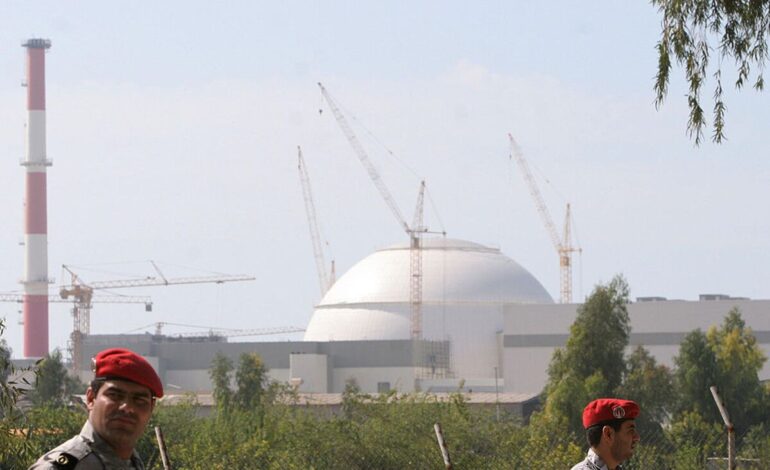

The recent acceptance by the US of Iran’s bid to maintain uranium enrichment has ignited significant debate in international circles. This decision, confirmed by ISNA, raises questions about regional stability, global nuclear oversight, and future US-Iran relations. This article explores the potential consequences and diplomatic intricacies surrounding this contentious agreement.
Background and Context
Understanding the historical context of US-Iran relations is crucial. The 2015 nuclear deal aimed to limit Iran’s enrichment capabilities in exchange for lifting economic sanctions. However, this new agreement allows Iran to continue enrichment, significantly altering previous diplomatic dynamics.
International Reactions
The global community has offered mixed reactions to the US decision. Some countries see this as a diplomatic stride towards stability, while others fear it might escalate tensions. Allies and adversaries alike are closely monitoring the implications for regional power balances.
Potential Impact on Middle East Stability
The Middle East, a region historically marked by geopolitical tension, may face increased uncertainty. Iran’s renewed enrichment capabilities could trigger a nuclear arms race among regional powers, posing challenges to peace and security efforts.
Domestic US Political Ramifications
This decision has sparked a domestic political debate in the US. Proponents argue it is a step towards peaceful negotiations, while critics fear it undermines years of nuclear non-proliferation efforts and weakens US international standing.
Future Prospects for US-Iran Relations
This agreement opens the door for further diplomatic engagement between the US and Iran. However, the path to improved relations is fraught with challenges, requiring careful negotiation and trust-building measures from both sides.
Conclusion
The US’s acceptance of Iran’s uranium enrichment proposal marks a pivotal moment in international diplomacy. While it holds potential for regional stability, the path is fraught with challenges, including managing nuclear proliferation risks. The outcome of this decision will significantly impact future US-Iran relations and broader Middle Eastern geopolitics.