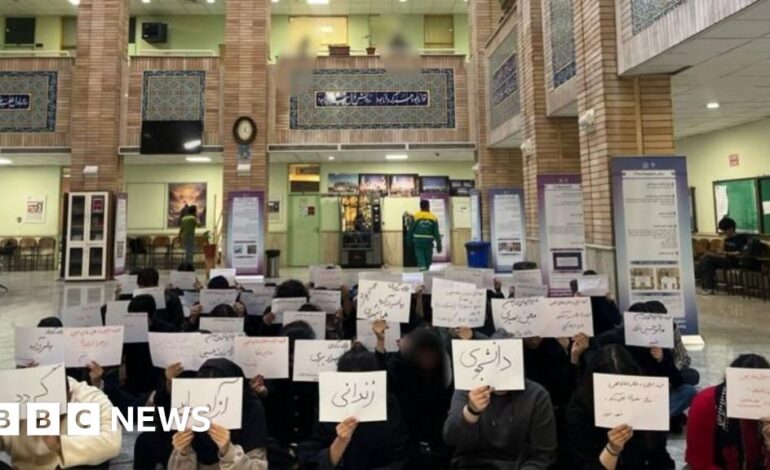
Iranian Students Continue Anti-Government Protests Amid Rising Tensions

In a bold display of dissent, Iranian students have resumed their protests against the government. This article delves into the motivations behind these protests, the government’s response, and the potential implications on Iran’s socio-political landscape.
The Catalyst for Protests
The renewed protests by Iranian students are largely fueled by grievances over political repression and economic instability. Many young people in Iran demand reforms that address issues such as governmental accountability and individual freedoms.
Government’s Response
The Iranian government’s response to the protests has been marked by strict crackdowns and censorship. This has included detentions and increased surveillance, as authorities seek to stifle dissent and maintain control.
International Reactions
Globally, reactions to Iran’s student protests have varied. Some countries express concern over human rights abuses, while others prioritize diplomatic relations. The international community’s stance could influence Iran’s approach to these protests.
The Future of the Movement
As the protests continue, the movement’s endurance and impact remain uncertain. Iranian students face significant challenges, yet their resolve demonstrates a commitment to pushing for change. The outcome could pave the way for broader reforms within Iran.
Conclusion
Iranian students’ protests signify a rising desire for change and greater freedoms. As tensions escalate, the outcome of these movements could significantly impact Iran’s future, both internally and on the global stage.