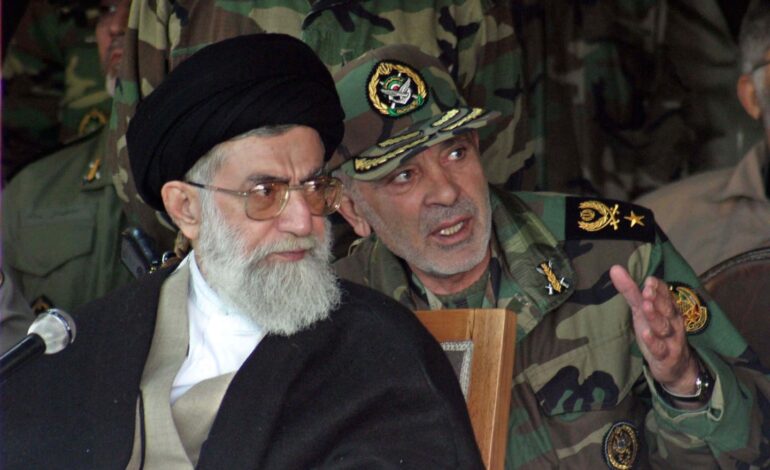
Ayatollah Ali Khamenei: The Legacy of Iran’s Influential Leader

Ayatollah Ali Khamenei, Iran’s supreme leader for over three decades, has passed away at the age of 86. This article delves into his profound influence on Iran, examining his rise to power, his policies, and his enduring impact on the country’s political and religious landscape.
Early Life and Rise to Power
Ayatollah Khamenei’s early life and religious education played a pivotal role in his ascent. Born in Mashhad, Iran, he was deeply immersed in Shiite scholarship. During the 1979 Iranian Revolution, his commitment to Ayatollah Khomeini’s vision marked the beginning of his influential presence in Iran’s political sphere.
Leadership and Political Influence
As Iran’s supreme leader, Khamenei wielded considerable power, overseeing key governmental functions. His tenure saw Iran navigating through various challenges, including economic sanctions and regional conflicts. His strategies often emphasized maintaining the Islamic Republic’s sovereignty and independence.
Religious Authority and Cultural Policies
Khamenei was not only a political figure but also a religious guide to many. His policies highly influenced Iran’s cultural landscape, promoting �Islamic values� and encouraging resistance against Western influence. His ideological stance often defined Iran’s cultural and educational policies during his leadership.
International Relations and Diplomacy
Throughout his leadership, Ayatollah Khamenei maintained a firm stance on international diplomacy, favoring resistance over reconciliation concerning Western powers. His interactions with global leaders consistently reflected his vision of an autonomous and resilient Iran.
Conclusion
Ayatollah Ali Khamenei’s reign as Iran’s supreme leader was marked by firm control over the country’s political and religious institutions. His leadership shaped Iran’s domestic and international profile significantly. Understanding his legacy helps grasp Iran’s current dynamics and future trajectory post his tenure.