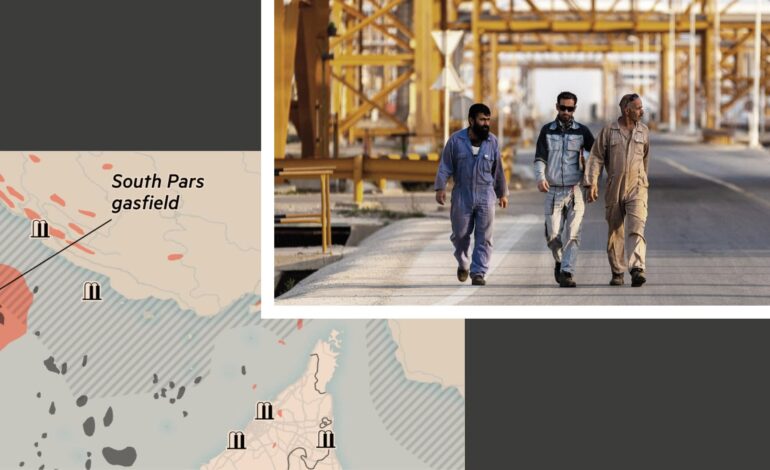

This article delves into the potential impacts of military strikes on Iran on global energy flows. It examines how these actions might disrupt supply chains, influence oil prices, and affect geopolitical alliances, shedding light on the broader implications for energy markets worldwide.
Understanding the Geopolitical Context
The geopolitical landscape in the Middle East has always been intricately linked to global energy markets. Given Iran’s strategic position and its significance as an oil producer, any military action in the region could reverberate through global energy dynamics. Understanding the current geopolitical tensions helps in predicting potential disruptions.
Disruption of Oil Supply Chains
Strikes on Iran could lead to significant disruptions in the global oil supply chain. **Interruptions to the Strait of Hormuz**, a critical chokepoint for oil transit, could severely restrict supply channels. Reduced oil flow from one of the world’s largest producers would amplify supply shortages, leading to increased market volatility.
Impact on Oil Prices and Markets
Military actions in Iran would almost certainly lead to fluctuations in oil prices. Fear of supply shortages tends to drive **oil prices up**, prompting **market speculation** and further imbalances. This chapter explores historical precedents and current market conditions to assess potential price trends.
Geopolitical Alliances and Energy Strategies
The aftermath of strikes on Iran would likely alter existing geopolitical alliances and necessitate revisions in energy strategies. Countries heavily reliant on Middle Eastern oil might accelerate their efforts towards **energy diversification**. Additionally, new strategic partnerships could emerge as nations navigate their energy needs in the face of evolving threats.
Long-term Repercussions on Global Energy Security
Beyond immediate disruptions, military actions in Iran could have long-term repercussions on global energy security. **Shifts in investment** towards stable regions, advancements in renewable energy, and changes in energy policies might occur as countries seek to mitigate risks. This chapter examines potential future scenarios in the evolving energy landscape.
Conclusion
In conclusion, military strikes on Iran pose significant risks to global energy flows, affecting supply chains, oil prices, and geopolitical alliances. Navigating these challenges calls for adaptive energy strategies and increased efforts towards diversification, ensuring that energy security is maintained in a volatile geopolitical environment.