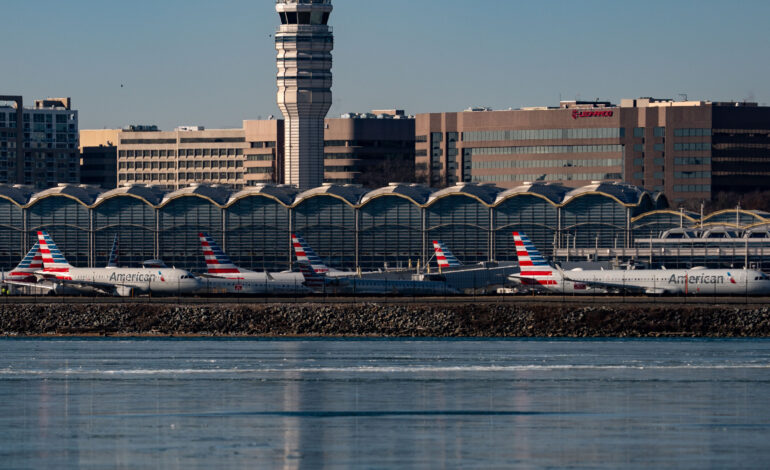
Chemical Smell Incident Grounds Flights at Washington and Baltimore Airports

A sudden chemical odor at a major control center led to a complete halt in air traffic at Washington and Baltimore airports. This disruption brought attention to airport safety and emergency procedures, highlighting critical vulnerabilities in air traffic management systems.
The Incident Unfolds
A sudden chemical smell at a key control center triggered a ground stop at major airports. Emergency protocols were swiftly implemented as staff evacuated the premises to ensure their safety. This immediate response aimed to prevent any potential hazards from escalating, affecting the operations of both Washington and Baltimore airports.
Impacts on Flight Operations
The grounding brought significant disruptions to passengers and airlines, impacting schedules and creating logistical challenges. Delays and cancellations were rampant, causing inconvenience to thousands. Airlines worked diligently to accommodate affected passengers, though frustrations were unavoidable amidst the chaos.
Airport Safety and Emergency Response
This incident has prompted discussions on enhancing airport safety measures and emergency protocols. Regular training and infrastructure updates are seen as vital to ensure quick and efficient responses to unforeseen situations, minimizing potential risks to both operations and personal safety.
Lessons for Future Preparedness
Reflecting on the incident, key lessons emphasize the need for robust risk assessment strategies and investment in advanced detection technologies. By learning from this event, airport authorities can bolster preparedness and prevent similar disruptions in the future.
Conclusion
The chemical odor incident underscored the importance of robust safety protocols and swift response mechanisms in preventing major disruptions. Strengthening these can enhance resilience against unforeseen incidents, ensuring passenger safety and minimizing flight disruptions.