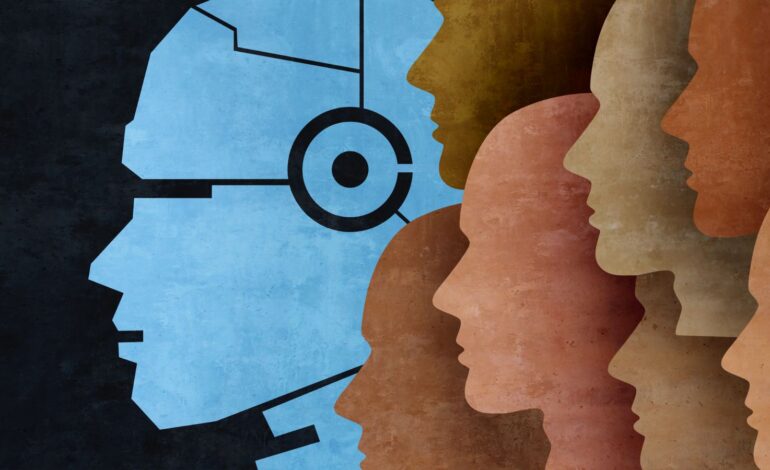

Artificial intelligence is rapidly transforming various industries, including cinema. While AI technology is becoming influential in film production and awards, human creative genius continues to play a pivotal role in storytelling and artistic expression. This article explores the intersection of AI and film, examining both its contributions and limitations.
The Growing Influence of AI in Filmmaking
Artificial intelligence has begun to change the landscape of filmmaking by automating time-consuming processes and enhancing creative workflows. From scriptwriting aids to digital animation techniques, AI extends the capabilities of filmmakers. Yet, while AI can generate plot ideas or visually stunning effects, it lacks the emotional depth and nuanced understanding that human storytellers bring to the screen. As AI evolves, it presents both opportunities and challenges for the film industry, raising questions about authorship and authenticity in cinematic creations.
AI’s Role in Film Awards and Recognition
AI is not only reshaping how films are made but also how they are assessed. The Oscars and other film awards continuously face the decision of how to integrate AI-augmented works into their consideration. The challenges lie in judging originality and human input in AI-driven productions. As AI tools aid more aspects of filmmaking, from editing to distribution, the significance of human-led creativity in receiving accolades remains a central debate. Film awards must adapt to address innovations while ensuring that human creativity continues to take center stage.
Balancing AI Integration with Human Creativity
While technology proves beneficial in enhancing film efficiency and inventiveness, human creators argue for the irreplaceability of emotional storytelling and artistic vision. Ensuring a balance between AI integration and the preservation of the human touch necessitates thoughtful consideration. Storytelling depends on empathy, cultural understanding, and emotional resonance—qualities AI cannot replicate. As filmmakers leverage AI, legislative frameworks and ethical guidelines could ensure technology complements rather than substitutes for human creativity.
Conclusion
Artificial intelligence undoubtedly offers new possibilities in filmmaking, amplifying both productivity and creativity. However, the core of cinema—emotional storytelling and artistic innovation—remains in the hands of human creators. Striking the right balance between technological advances and safeguarding human artistry will be crucial as the film industry evolves.