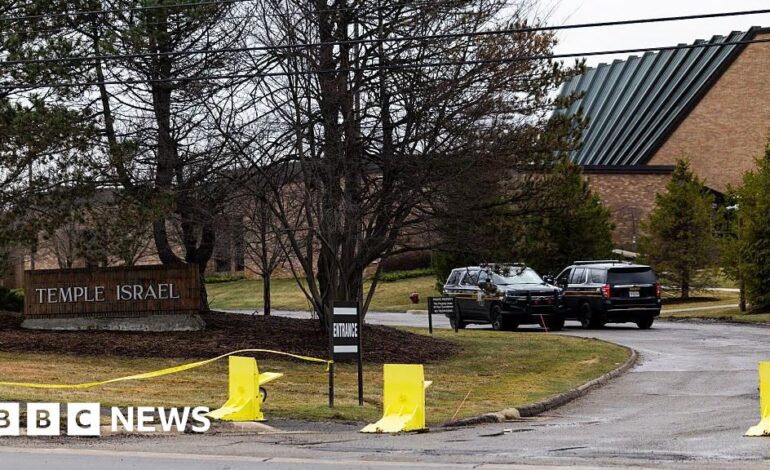
Michigan Synagogue Attacker’s Connection to Hezbollah Explored

This article delves into the complex case surrounding a recent attack at a Michigan synagogue, where new allegations tie the attacker’s brother to Hezbollah. We explore the details of these claims, the reactions from relevant parties, and what it could mean for US-Israeli relations moving forward.
The Attack and Initial Investigations
The attack in Michigan sent shockwaves through the local and international community. Authorities were quick to respond, initiating a comprehensive investigation that unveiled startling connections. The focus was not just on the immediate perpetrator but also on potential external influences, which included familial ties to Hezbollah.
Hezbollah Connections Unveiled
During the course of the investigation, the IDF revealed that the attacker’s brother was a known commander within the Hezbollah organization. This revelation added a layer of complexity to the case, prompting questions about potential motivations and international implications. Authorities are now looking into how these connections may have played a role in the attack’s execution.
Impact on US-Israeli Relations
The allegations have inevitably strained US-Israeli relations, as both countries navigate the tense geopolitical waters. This incident underscores the challenges both nations face in combating terrorism and maintaining security. Collaborative efforts are ongoing to better understand and prevent transnational extremist influences.
Conclusion
The Michigan synagogue attack has opened the door to broader discussions on terrorism and international security. The newly revealed Hezbollah connections emphasize the importance of global cooperation in addressing extremist networks. Moving forward, both nations must remain vigilant and collaborative in their efforts to prevent similar incidents.