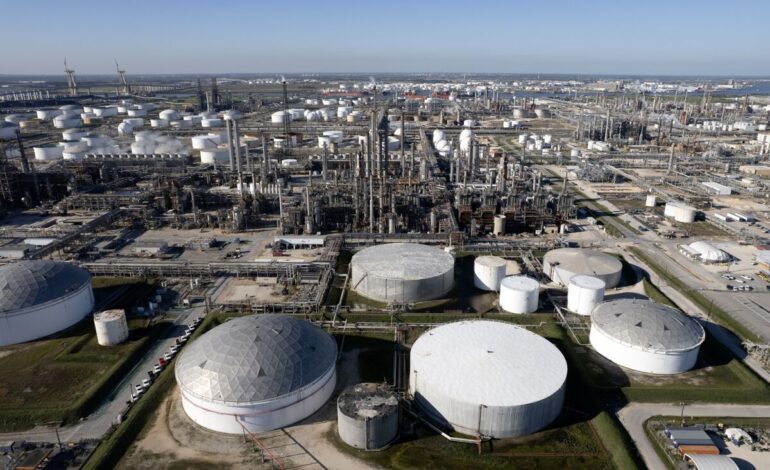

The International Energy Agency (IEA) has reported that it holds additional emergency oil reserves to stabilize energy markets. This article explores the implications of these reserves, their strategic importance, and how they enhance global energy security.
Understanding IEA’s Role in Global Energy Security
The **International Energy Agency (IEA)** plays a pivotal role in ensuring global energy stability. By pooling resources and fostering collaboration among member nations, the IEA mitigates the risk of energy crises and maintains stable energy supplies. The agency’s capacity to mobilize emergency oil reserves is central to its mission.
Strategic Importance of Emergency Oil Reserves
Emergency oil reserves act as a buffer against geopolitical disruptions and natural disasters. They **ensure market stability** during unforeseen supply crunches. The IEA’s ability to release these reserves when required helps to **stabilize prices** and supports economic continuity.
Mechanisms of Reserve Allocation
The IEA has established structured mechanisms for the allocation and distribution of emergency oil reserves. These mechanisms are executed in coordination with member countries, ensuring timely and effective response to any energy **disruptions or crises**.
Impact on Markets and Global Economy
Releasing emergency reserves influences global oil markets by alleviating supply shortages, thus restoring investor **confidence and economic stability**. This strategic intervention helps prevent potential economic downturns emanating from energy constraints.
Conclusion
In conclusion, the IEA’s emergency oil reserves serve as a crucial tool in mitigating disruptions in energy supply. Understanding these reserves’ strategic significance helps ensure energy security, fostering stable global economic and political environments.