
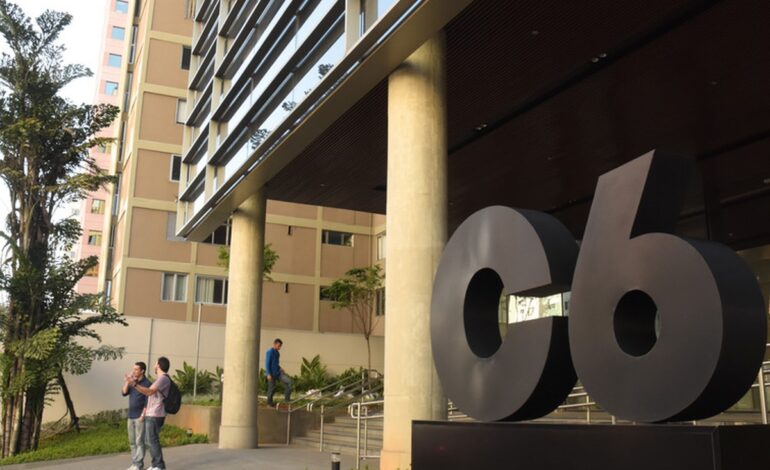

In a recent CPMI session, a senior executive from C6 Bank expressed vehement disagreement with the suspension of new payroll loans by the INSS. This article delves into the ramifications of this decision, its impact on the financial sector, and the broader economic consequences. We explore the arguments presented in this debate and their significance for stakeholders.
Understanding the INSS Loan Suspension
The National Social Security Institute (INSS) decided to suspend new payroll loans, citing concerns related to borrower protection and economic stability. This measure aims to regulate the loan market, providing a safeguard against over-indebtedness and ensuring that financial institutions adhere to responsible lending practices.
C6 Bank’s Stance on the Decision
During a CPMI session, a C6 Bank executive disagreed strongly with the INSS’s loan suspension, arguing that it disrupts the credit market and negatively affects financial institutions and consumers. C6 Bank believes this decision could hinder economic growth, stressing the need for a balanced approach that protects consumers without stifling access to credit.
Potential Consequences for the Financial Sector
The suspension has sparked debate on its potential repercussions within the financial sector. Critics argue that it could lead to a credit crunch, affecting bank profitability. Meanwhile, supporters believe it’s a necessary step to mitigate risks associated with unsustainable lending practices. This contentious decision underscores the delicate balance between regulation and market dynamics.
Economic and Social Implications
The broader economic implications of the loan suspension include a potential slowdown in consumer spending, affecting sectors reliant on consumer credit. Socially, the decision may protect vulnerable borrowers but also limit financial options for others. Policymakers face the challenging task of aligning regulation with consumer protection while fostering economic growth.
Future Outlook and Considerations
Looking ahead, the outcome of this debate could shape future regulatory approaches in Brazil’s banking sector. As discussions continue, stakeholders must weigh the costs and benefits of stricter regulations versus the need for inclusive credit access. The resolution will play a crucial role in defining the future equilibrium of Brazil’s financial landscape.
Conclusion
The C6 Bank executive’s objection to the INSS loan suspension highlights the complexity of balancing consumer protection and market freedom. This debate emphasizes the need for nuanced regulation that supports economic growth while safeguarding borrowers. As Brazil navigates this regulatory challenge, the outcomes will significantly influence the nation’s banking landscape and its economic trajectory.