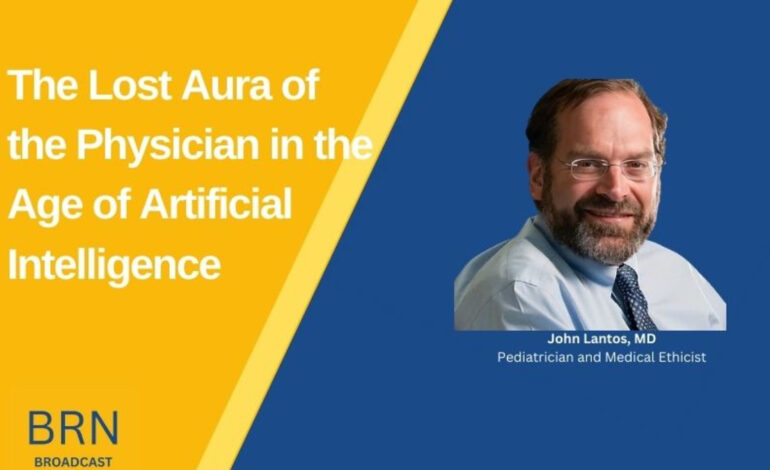

The advent of artificial intelligence in healthcare is reshaping the role of physicians, altering patient perceptions and traditional doctor-patient dynamics. This article examines the implications of AI on the medical field, focusing on changes in the physician’s role, patient trust, and the balancing act between technology and human empathy.
The Changing Role of Physicians in the AI Era
Artificial intelligence is significantly transforming healthcare, introducing new efficiencies but also altering the roles of physicians. Tasks that once required a doctor’s expertise are increasingly being automated. AI-driven diagnostics, for example, can rapidly analyze medical data, often more accurately than humans. This shift necessitates that doctors adapt by focusing more on patient interaction, empathy, and holistic care. As administrative burdens decrease, physicians can build stronger doctor-patient rapport, emphasizing the human elements of medical care that machines cannot replicate.
Patient Trust and Perception in AI-Assisted Care
With AI’s growing role in healthcare, patient trust in the medical profession is at a crossroads. Traditionally, trust in a physician’s judgment was the bedrock of healthcare. However, as AI assumes more diagnostic and decision-making responsibilities, patients may question who to trust—their doctors or the technology. Maintaining transparency about AI’s role and limitations is crucial. Physicians must communicate effectively, reassuring patients that AI acts as a tool to enhance, not replace, human expertise. This balance is vital to sustaining trust and ensuring patient satisfaction.
Balancing Technology with Human Empathy
One of the greatest challenges in the AI healthcare revolution is balancing technological advances with the necessity of human empathy. AI can offer rapid and data-driven solutions, but it lacks the emotional intelligence indispensable for patient care. Physicians play a crucial role in interpreting AI data within the context of patient’s feelings and history. As AI handling becomes routine, doctors must cultivate skills that reinforce their unique value. Empathy, compassion, and communication become paramount, ensuring that technology serves as a complement to the human touch rather than a replacement.
Conclusion
AI is redefining the healthcare landscape, reassigning some traditional roles of physicians while amplifying others. Doctors must balance technological efficiencies with nurturing human connections, preserving patient trust, and empathy. As AI continues to evolve, the physician’s role remains dynamic, emphasizing adaptability in the face of these groundbreaking advancements.