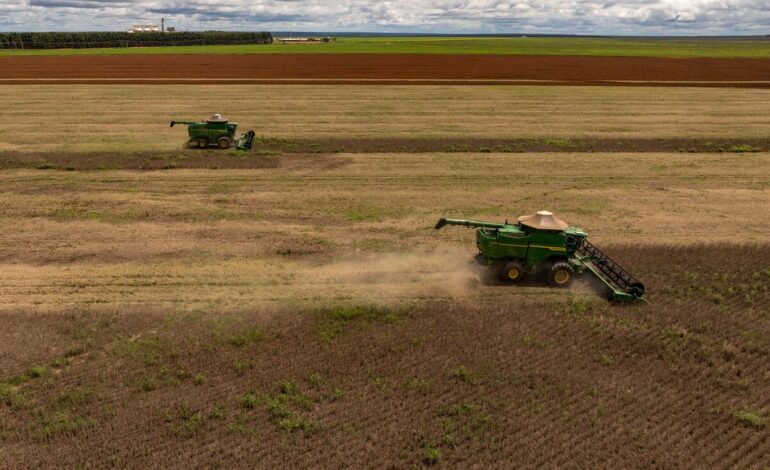

In a significant development for international agriculture, China and Brazil have agreed to ease sanitary requirements for soybean imports. This agreement marks a notable shift in trade dynamics, potentially impacting global agricultural markets and bilateral relations between the two nations.
Background of China-Brazil Agricultural Trade
China and Brazil’s agricultural trade has been a cornerstone of their bilateral economic relations for decades. Brazil is one of the largest soybean producers globally, while China ranks as the leading importer. This long-standing synergy has fostered mutual dependence, with both nations seeking to optimize and secure their trade processes.
The New Soybean Sanitary Agreement
Under the new agreement, sanitary requirements for Brazilian soybeans exported to China will be relaxed. *This change aims to simplify the export process*, reduce costs, and increase the efficiency of soybean trade. By eliminating certain bureaucratic hurdles, both countries are poised to enhance their agricultural trade volumes.
Global Implications and Market Reactions
The relaxation of sanitary rules is likely to have broad implications for global soybean markets. By streamlining trade processes, Brazil may boost its competitive edge, potentially impacting other soybean exporting countries. Market reactions have been largely positive, as stakeholders anticipate increased trade flows and economic benefits for both China and Brazil.
Future Prospects and Challenges
Looking ahead, this agreement not only strengthens China-Brazil relations but also poses challenges and opportunities for other global players in agriculture. While the agreement is expected to yield economic gains, careful monitoring will be necessary to address any emerging issues related to regulatory standards and market fairness.
Conclusion
In conclusion, the decision by China and Brazil to ease soybean sanitary requirements is a testament to their evolving trade relationship. This move not only benefits their economies by streamlining soybean trade but also sets a precedent for other agricultural sectors. As both countries continue to solidify their partnership, the global agricultural market will keenly observe the impacts.