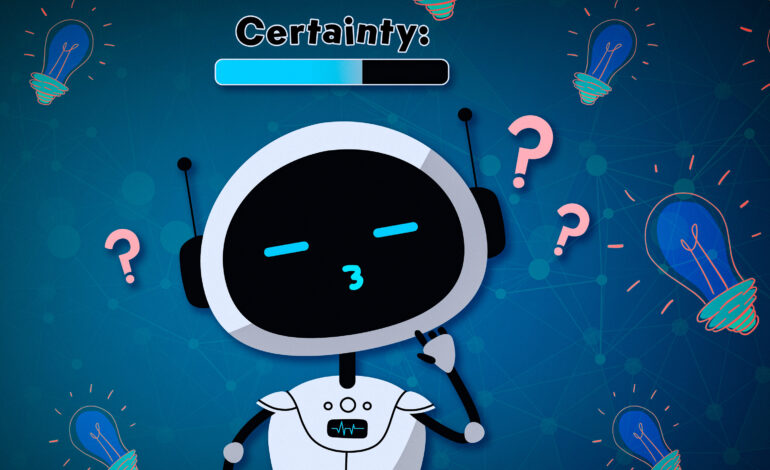

In the era of rapid technological advancement, creating AI systems that exhibit humility is essential. This approach ensures AI actions are transparent, decisions are accountable, and interactions foster trust. Learn how humble AI transforms the landscape of technology by promoting responsibility and ethical alignment in intelligent systems.
Understanding Humble AI: What It Means and Why It Matters
Humble AI refers to the design and implementation of artificial intelligence technologies that understand and communicate their limitations, uncertainties, and the scope of their abilities. This concept is vital in today’s tech-driven world as it encourages the development of AI systems that can admit uncertainty and ask for human intervention when necessary. Furthermore, humble AI is crucial in critical applications such as healthcare or autonomous vehicles, where overconfidence can have serious consequences. By acknowledging its limitations, humble AI promotes trust and ensures responsible deployment, safeguarding society from potential technological overreach.
The Importance of Transparency and Accountability in AI
Transparency and accountability are fundamental pillars in developing humble AI. These principles ensure that AI systems operate with clarity and can be scrutinized and controlled by human operators. Transparent AI can explain its decision-making process, while accountable AI has mechanisms for addressing and correcting errors. Emphasizing these aspects facilitates cooperative interactions between AI and humans, minimizing misunderstandings and enhancing trust. By crafting AI that prioritizes these elements, developers can create a more reliable relationship between humans and machines, ensuring AI serves as a supportive tool rather than an incomprehensible entity.
Implementing Humility in AI: Techniques and Best Practices
To implement humility in AI systems, developers can adopt several techniques and best practices. First, incorporating uncertainty quantification enables AI to recognize confidence levels in its predictions. Secondly, designing AI with feedback loops allows for continuous learning and adaptation based on real-world interactions. Additionally, fostering interdisciplinary collaboration in developing AI systems encourages diverse inputs and leads to more robust, balanced outcomes. By sharing control with human experts, AI systems can function as partners, effectively integrating into various sectors while maintaining ethical standards and public trust.
Conclusion
Creating humble AI is a pivotal step toward ensuring responsible and trustworthy technological progress. Emphasizing the principles of transparency, accountability, and collaborative design, humble AI heralds a future where artificial intelligence can safely integrate into society, benefiting humanity with its enhanced reliability and ethical orientation.