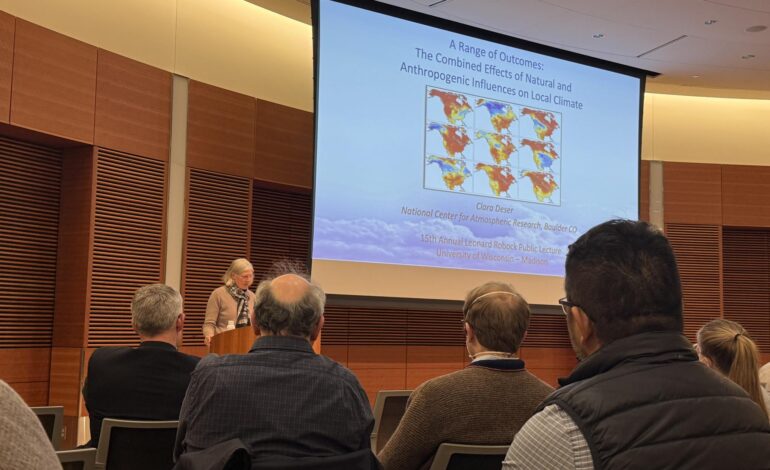
Understanding the Superimposed Nature of Climate Change: Anthropogenic Influence and Natural Variability

Climate change is a complex issue shaped by both human activities and natural variations. This article delves into the insights shared by a recent lecture, highlighting the intricate interplay between anthropogenic factors and the planet’s natural climate rhythms, unraveling the layered nature of climate change.
The Dual Forces: Human Influence and Natural Variability
Climate change has long been understood as a product of two major forces: anthropogenic influence and natural variability. Human activities, like burning fossil fuels and deforestation, significantly increase greenhouse gases, altering the climate system. However, natural cycles such as volcanic eruptions and solar variations also play substantial roles in shaping climate patterns over time.
The Interconnected Impact on Earth’s Climate System
These dual influences do not act in isolation but are superimposed on one another. This overlapping effect means that human-induced changes can amplify or dampen the impacts of natural variability, leading to a more volatile climate system. Understanding this interplay is crucial for accurate climate prediction and developing effective mitigation strategies.
Strategies for Addressing Climate Change
Addressing the complexity of climate change requires a dual approach that mitigates human impact while adapting to natural climate variability. Strategies include transitioning to renewable energy, improving energy efficiency, and enhancing ecosystem resilience. These efforts aim to reduce greenhouse gas emissions and better prepare for inevitable climate changes driven by Earth’s natural rhythms.
Conclusion
This discussion highlights the superimposed nature of climate change, where anthropogenic activities intertwine with natural cycles to affect Earth’s climate. Understanding this relationship is crucial for effective climate action strategies that balance mitigation and adaptation, ensuring a sustainable future amidst changing global climate dynamics.