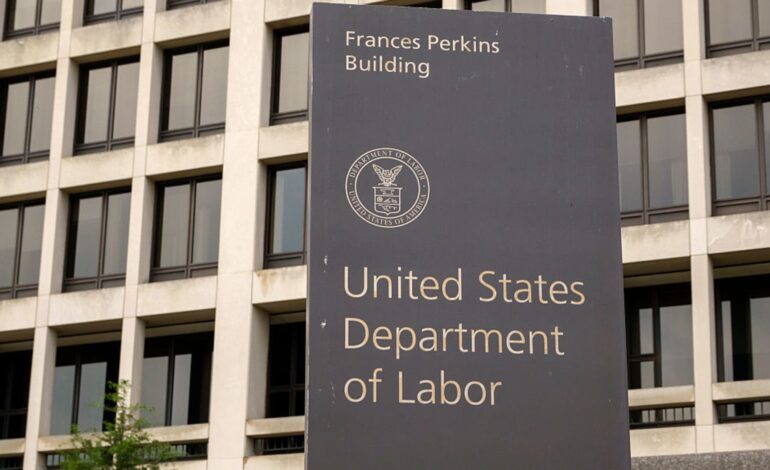

In March 2026, the Department of Labor announced a proposal to allow alternative assets within 401(k) plans. This potential shift aims to diversify retirement savings options for Americans, providing investors with access to a broader range of financial tools. This article delves into the implications, potential benefits, and concerns surrounding the integration of alternative investments in 401(k) plans.
The Proposal: Expanding 401(k) Investment Options
The Department of Labor’s new proposal aims to expand the investment landscape of 401(k) retirement plans by including alternative assets such as real estate, commodities, private equity, and hedge funds. This initiative addresses the growing demand for diversification beyond traditional stocks and bonds, potentially enhancing the financial stability and growth potential of retirement savings.
Understanding Alternative Investments
Alternative investments refer to asset classes that differ from standard public market instruments. These include **real estate**, **private equity**, **hedge funds**, **commodities**, and other non-traditional financial products. By incorporating these into 401(k) plans, investors might gain *access to enhanced returns* and *risk management tools*, broadening their investment opportunities and reducing reliance on traditional markets.
Potential Benefits and Risks Involved
While the inclusion of alternative assets offers potential benefits such as portfolio diversification, increased returns, and additional hedging strategies, it also carries certain risks. These assets may possess lower liquidity, higher fees, and complex valuation procedures. Investors should weigh these factors against their own financial goals and risk tolerance before integrating them into their retirement portfolios.
Impact on Retirement Planning
The shift towards including alternative investments in 401(k)s could lead to a transformation in retirement planning strategies. Financial advisors may need to update their approaches, taking into account the new options available. This can increase the complexity of retirement planning, requiring a deeper understanding of alternative markets to optimize investment decisions tailored to individual needs.
Industry Reactions and Perspectives
The proposal has sparked reactions across the financial industry. **Proponents** argue that expanding investment choices enhances room for growth and better financial planning for retirees. **Critics**, however, express concerns over higher risks and increased costs. This ongoing debate reflects the broader discourse about balancing regulation and innovation within the financial system.
Conclusion
The Department of Labor’s proposal to include alternative investments in 401(k)s could redefine retirement portfolios by offering more diverse asset choices. While this presents opportunities for growth and expanded financial strategies, it also calls for careful consideration of the associated risks. Individuals must evaluate whether these options fit their retirement planning needs to make informed decisions.