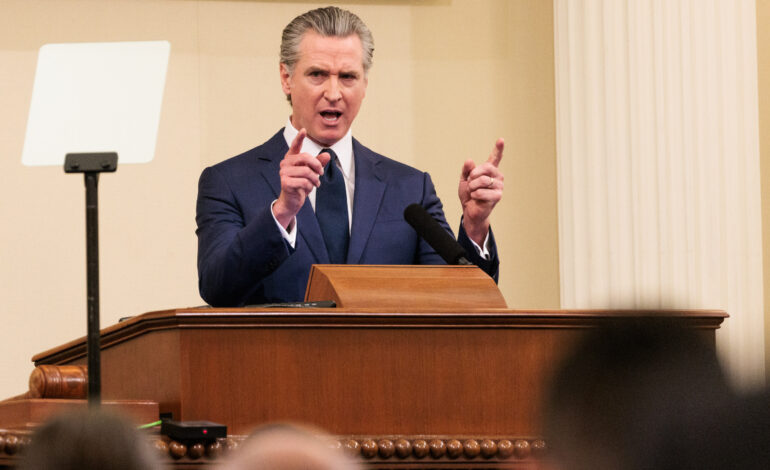
States Forge Ahead with A.I. Regulations, Challenging National Stance

In a bold move, states across the U.S. are independently advancing A.I. regulations, despite federal reluctance under the current administration. This initiative showcases a rising trend of state-led governance in technology as they aim to protect residents and set responsible use standards for artificial intelligence.
State Initiatives in A.I. Regulation
With A.I. technology advancing rapidly, states have taken the mantle to draft and implement regulatory frameworks. These efforts aim to fill the gap left by federal inaction and address growing concerns around ethical A.I. use, privacy, and bias. States like California are at the forefront, enacting policies that balance innovation with accountability.
Challenges Faced by State Governments
While states are pioneering A.I. regulations, they face challenges such as limited resources, varying local needs, and conflicts with federal policies. The lack of a unified national strategy complicates enforcement and consistency across borders. Yet, states are devising strategies to overcome these hurdles, including forming regional alliances and sharing resources.
Federal and State Relationship Dynamics
The tension between state initiatives and federal positions on A.I. regulation signifies a dynamic power play in governance. As states assert their authority, there’s potential for friction with the federal government. However, these efforts could ultimately influence national policy, encouraging a more comprehensive and collaborative approach to A.I. governance.
Conclusion
The proactive measures taken by states in regulating A.I. highlight a significant shift towards decentralized governance. This fosters innovation and sets a precedent for future collaborations in tech policy. Despite federal hesitations, state actions may pave the way for consensus on A.I. management.