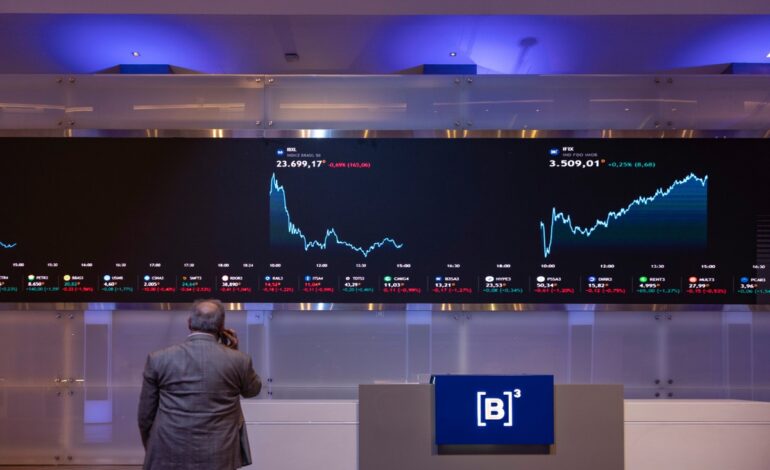

As global economic uncertainties continue to unsettle investors, the Ibovespa witnessed a decline, mainly driven by increased risk aversion and anxiety over the US Federal Reserve’s independence. This article delves into how these factors are influencing market behavior and what implications they hold for future financial strategies.
Understanding Risk Aversion in Global Markets
Risk aversion refers to the tendency of investors to prioritize the preservation of capital over higher returns when faced with uncertain economic conditions. This sentiment has grown as global markets grapple with geopolitical tensions, inflationary pressures, and shifting economic policies. Investors often respond by reallocating assets into safer investments, thereby impacting indices like the Ibovespa.
Concerns Over Federal Reserve Independence
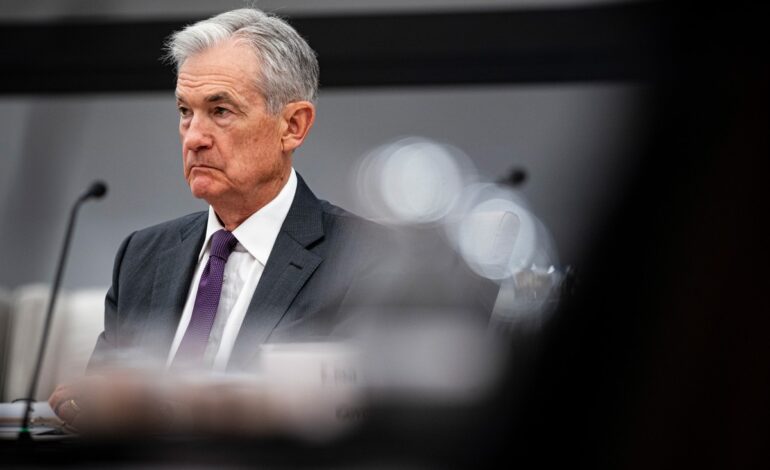
The Federal Reserve plays a crucial role in shaping global financial stability through its monetary policy decisions. Recent concerns around its independence stem from political pressures that could potentially influence interest rate decisions and the overall economic outlook. These uncertainties can lead to market volatility, as investors fear unpredictable policy shifts, impacting both local and international markets.
Consequences for the Brazilian Market
For Brazil, the ripple effects of these concerns are significant. As the largest stock exchange in Latin America, the Ibovespa is sensitive to international investor sentiments. A lack of confidence in global financial policies can lead to capital flight, currency depreciation, and a heightened risk premium, affecting local stocks and bonds.
Strategies for Navigating Market Uncertainty
Investors can employ various strategies to mitigate risks associated with market fluctuations. Diversification, hedging, and staying informed about macroeconomic indicators are critical. By balancing portfolios with a mix of asset classes and investing in sectors with stable growth prospects, investors can better shield their investments from undesired volatility.
Conclusion
In summary, the recent decline in Ibovespa highlights the ongoing impact of global economic uncertainties and concerns over the Fed’s independence on financial markets. Understanding these dynamics allows investors to craft informed strategies, ensuring resilience in their portfolios amidst uncertain economic landscapes.