Controversy Unveiled: RFK Jr.’s Vaccine Panel Pick

In a surprising move, RFK Jr. appointed a new member to a vaccine panel who has publicly changed their stance to being anti-vaccine. This decision has ignited conversations about vaccine safety and policy. This article explores the implications of this change, the impact on public health, and the shifting dynamics in vaccine discussions.
RFK Jr.’s Controversial Appointment
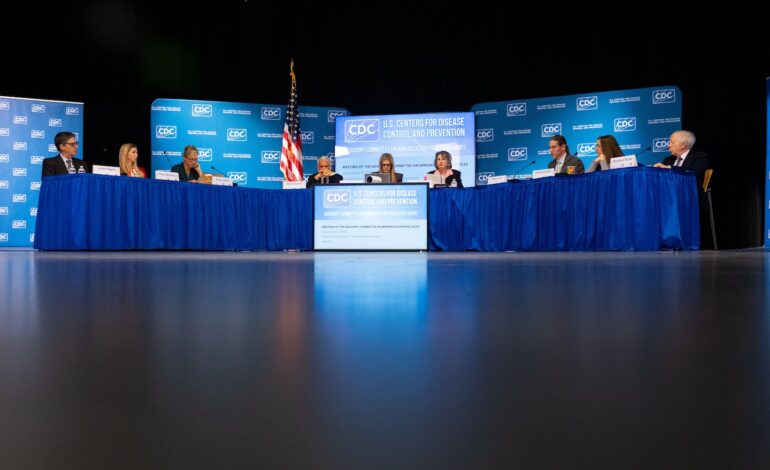
RFK Jr., known for his vaccine skepticism, has once again stirred the pot by appointing an individual to the ACIP who has recently declared themselves anti-vaccine. This individual’s appointment raises concerns and questions about the future of vaccine policy and public health.
The Shift in Vaccine Stance
The newly appointed panel member’s transformation from vaccine-neutral to anti-vaccine is noteworthy. This shift appears to be rooted in skepticism about vaccine safety and effectiveness. Analyzing the reasons behind this transformation provides insight into the broader anti-vaccine movement.
Implications for Public Health
The appointment has sparked fears of diminished public trust in vaccines, which are crucial for controlling infectious diseases. Public health experts warn that such shifts can lead to lower vaccination rates, potentially resulting in the resurgence of diseases once under control.
Conclusion
RFK Jr.’s choice for the vaccine panel has highlighted a growing divide in vaccine perspectives. The shift of a panel member to an anti-vaccine stance exemplifies underlying issues in public health communication. Understanding and addressing these concerns is critical to maintaining public trust in vaccines for continued disease control.