Escalating U.S.-Iran Tensions Prompt Personnel Withdrawal from Qatar

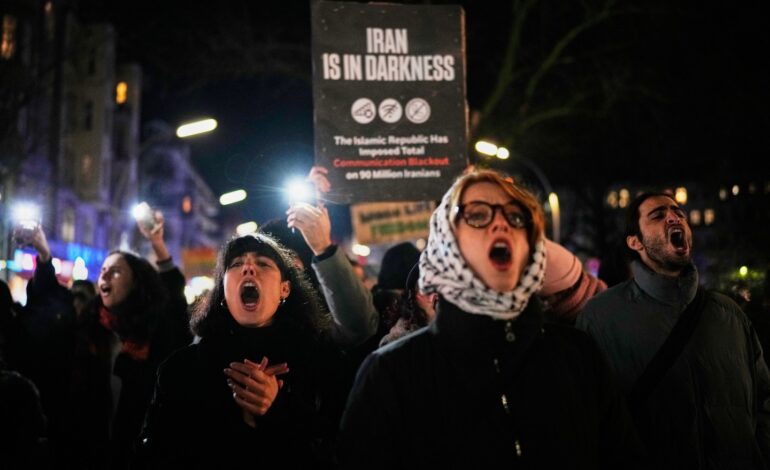
As tensions between the U.S. and Iran intensify, the geopolitical landscape is shifting. The recent decision to withdraw U.S. personnel from Qatar highlights increasing uncertainties and strategic recalibrations. This article explores the implications of these developments, the historical context, and potential future scenarios in the Middle East.
Historical Context of U.S.-Iran Relations
The relationship between the U.S. and Iran has been fraught with tension and strategic posturing for decades, with key historical events including the 1979 Iran hostage crisis. These events have birthed a complex dynamic characterized by mutual mistrust and strategic competition.
Recent Developments and Strategic Implications
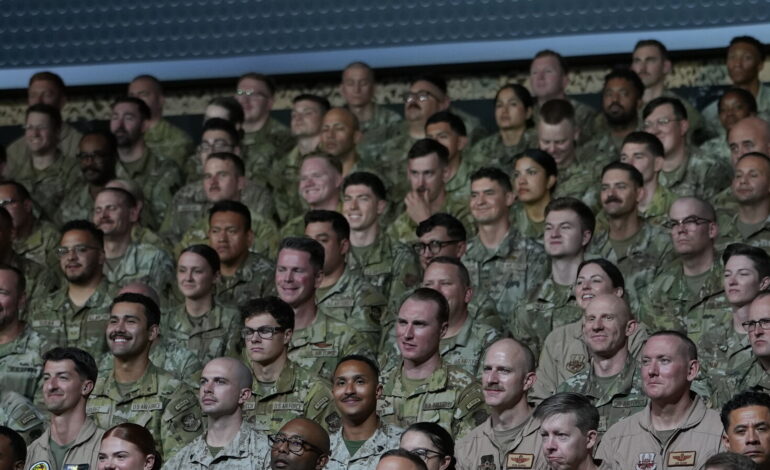
The current move to withdraw personnel from Qatar reflects a heightened state of alert within the region. This decision is part of a broader strategy to maintain security and manage regional influence. It raises questions about the stability of current military deployments.
Potential Scenarios and Future Outlook
With tensions on the rise, several scenarios could unfold, ranging from renewed diplomatic engagement to increased military posturing. The U.S.’s decisions will play a crucial role in shaping the regional balance of power and its own geopolitical influence.
Conclusion
In light of escalating tensions with Iran, the U.S.’s strategic withdrawal from Qatar underscores a period of significant geopolitical shifts. This move aims to mitigate risks and reposition U.S. influence, signaling how critical the Middle East remains in global power dynamics. The future trajectory will largely depend on diplomatic engagement and continued geopolitical maneuvering.