
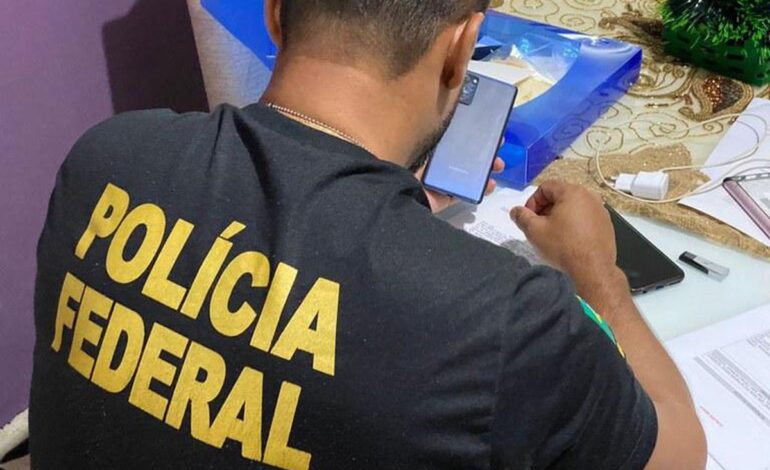

On January 21, 2026, the Brazilian Federal Police launched an operation targeting money laundering involving cryptoassets. This initiative highlights the growing concern around the use of cryptocurrencies in unlawful financial activities and the challenges authorities face in regulating this digital frontier. This article delves into the details of the operation, the technology involved, and the broader implications for financial security.
The Operation: Details and Objectives
The Federal Police’s operation aimed to dismantle a network involved in using cryptocurrencies for money laundering. This complex investigation involved coordination across multiple agencies and used advanced tools to track digital transactions. The primary goal was to disrupt the financial channels criminals exploit through anonymous crypto transactions.
Understanding Money Laundering with Cryptoassets
Cryptoassets, while offering anonymity and ease of transfer, have become a preferred tool for those looking to conceal illicit gains. Money laundering with cryptocurrencies typically involves converting ‘dirty’ money into digital currency, thus evading traditional financial scrutiny. Understanding this process is crucial for regulators to formulate effective countermeasures.
Implications for Financial Security and Regulation
This operation underscores the urgent need for comprehensive cryptocurrency regulation. It highlights the vulnerabilities in current financial systems and the importance of international cooperation. By establishing clearer guidelines and controls, authorities can better prevent the misuse of cryptoassets and enhance global financial security.
Conclusion
The Federal Police’s operation against money laundering with cryptoassets demonstrates the pivotal role of regulatory bodies in adapting to evolving financial technologies. As cryptocurrency use grows, so does the responsibility of authorities to ensure a secure economic environment. Enhanced regulation and international cooperation are essential in safeguarding financial integrity in the digital age.