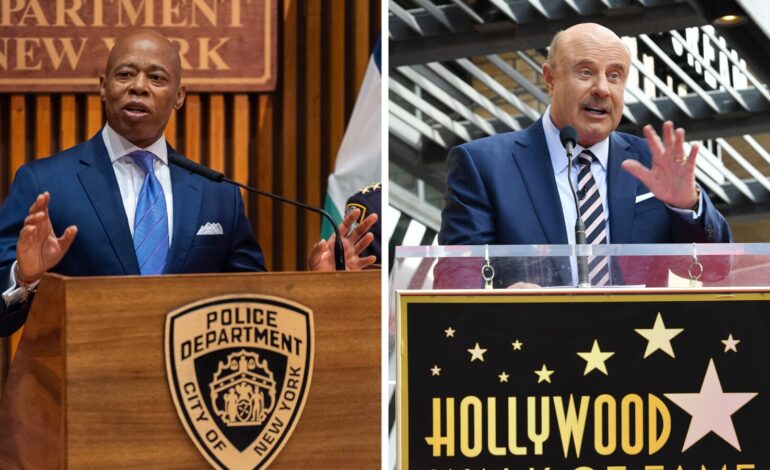
N.Y.C. Moves to Block Controversial Police Reality Show with Dr. Phil

The City of New York is making legal maneuvers to halt a proposed police reality show that has received approval from Mayor Eric Adams. The program, featuring Dr. Phil, aims to offer an inside look at police operations but has faced mounting opposition from city officials and civil liberties groups who argue it may misrepresent policing and privacy.
Background of the Reality Show Initiative
The proposed police reality show, co-hosted by Dr. Phil, is designed to take viewers behind the scenes of NYPD operations, promising an unfiltered insight into the life of New York officers. Mayor Eric Adams endorsed the show, believing it could serve as a tool for public relations and foster a greater understanding of police work.
Legal and Ethical Concerns
Concerns have been raised regarding the potential for the reality show to infringe on privacy rights and misrepresent the complexities of policing. Critics argue that showcasing police procedures in this format may lead to biased portrayals and ethical dilemmas, potentially complicating legal proceedings captured on camera.
Reactions from City Officials and Privacy Advocates
City officials, supported by civil liberties groups, have expressed strong objections to the show’s production. They contend that the reality show format could undermine public trust and transparency, urging for more stringent checks on how police operations are depicted and ensuring citizens’ privacy is safeguarded.
Potential Impact on Public Perception
The controversy surrounding this reality show also reignites the ongoing debate over the role media plays in shaping public perception of law enforcement. The fear is that dramatized TV representations might skew viewers’ understanding, either glamorizing or vilifying officers beyond realistic proportions.
Conclusion
In conclusion, New York City’s lawsuit against the police reality show exemplifies a broader debate about the ethics and impact of such media on public perception of law enforcement. While the show promises transparency, concerns about privacy invasions and potential biases cannot be overlooked. The outcome of this legal battle could set a precedent for future media ventures involving public services.