Iran’s Protests: Government Announces Successful Suppression

In January 2026, the Iranian government declared the recent waves of protests have been completely crushed. This article delves into the underlying causes of the unrest, the government’s hardline response, and the potential long-term ramifications of the suppression. We explore the unfolding events and what this means for Iran’s future political landscape.
The Roots of the Unrest
Understanding the protests requires a look at their origins, deeply rooted in economic grievances, social inequalities, and demands for political reform. Over the years, rising inflation and unemployment have exacerbated public frustration, leading to a groundswell of dissent.
The Government’s Response
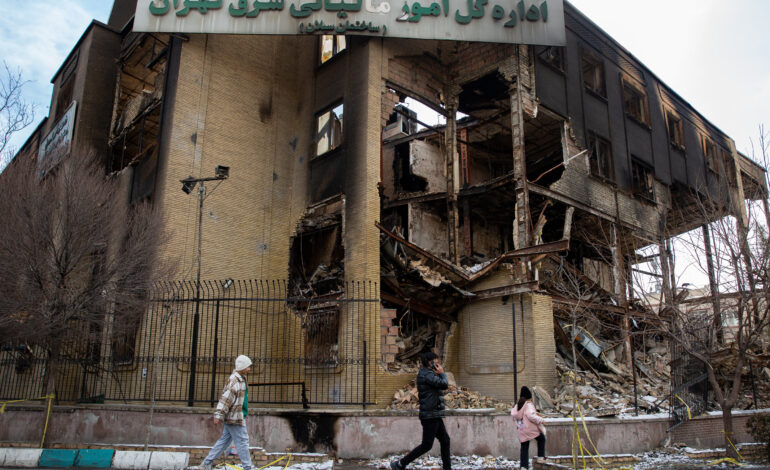
The Iranian government responded to the unrest with a mix of military force and strategic communication. **Security forces** were mobilized to disperse crowds, while state media emphasized stability and order. This hardline approach aimed to stifle the spread of resistance and discourage further demonstrations.
Implications for Iran’s Future
The suppression of protests could lead to short-term stability, but the underlying issues that fueled the unrest remain unresolved. In the long term, such measures might undermine public trust in government and spark future dissatisfaction. The path forward is fraught with challenges as Iran navigates these volatile dynamics.
Conclusion
The Iranian government’s declaration of quelling the protests marks a significant moment in its political narrative. While the authorities managed to suppress dissent, the underlying issues persist. The long-term impact on Iran’s socio-political fabric remains uncertain, with potential risks of future unrest. The situation poses crucial questions about governance, public dissent, and the balance of control and freedom.