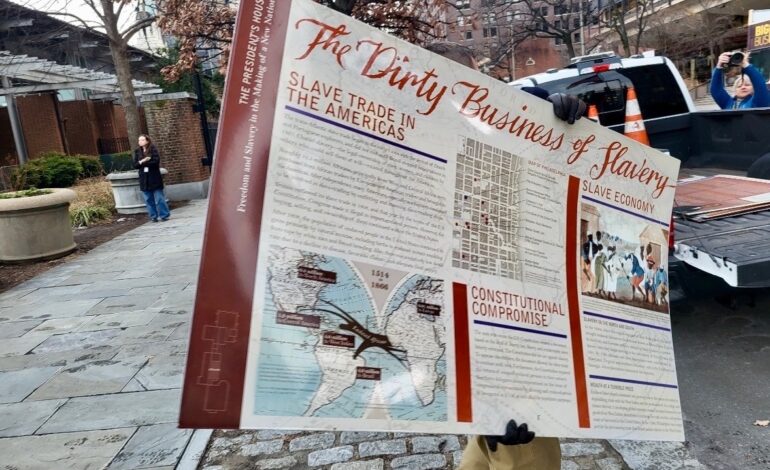
Impact and Implications of the Removal of the Slavery Exhibit at Independence Park

The National Park Service’s recent decision to remove a slavery exhibit from Independence Park in Philadelphia has sparked widespread discussion. This article examines the reasons behind the removal, its impact on historical education, and broader consequences for how slavery is depicted in public history.
Background of the Slavery Exhibit
The slavery exhibit at Independence Park was an integral part of Philadelphia’s historical narrative, offering insights into the lives of enslaved people during America’s formative years. Established to educate and provoke conversations about the harsh realities of slavery, the exhibit aimed to ensure that this painful past was neither forgotten nor overlooked.
Reasons for Removal
The decision to remove the exhibit stemmed from several factors, including concerns over outdated material and the need for exhibit modernization. There were also considerations about providing a more comprehensive and accurate depiction of the history of slavery, which might require restructuring how the topic is presented to the public.
Public Reaction and Debate
The removal has led to a robust public debate. Many argue that eliminating such exhibits can lead to a diminished understanding of historical issues, while others believe it offers an opportunity to present the past in more engaging, truthful, and nuanced ways. Discussions underscore the importance of balancing educational impact with truthful representation.
Implications for Historical Representation
Removing the exhibit does not just alter the narrative of one location; it also reflects broader trends in how history is curated. This action raises questions about the preservation of historical memory and the dynamic nature of museum displays, asking how public institutions can more effectively represent complex histories.
Conclusion
The removal of the slavery exhibit at Independence Park highlights the challenges in presenting difficult historical truths. It underscores the necessity for continuous evaluation and adaptation of historical displays to remain relevant and accurate, ensuring that such narratives contribute to informed public discourse and understanding.