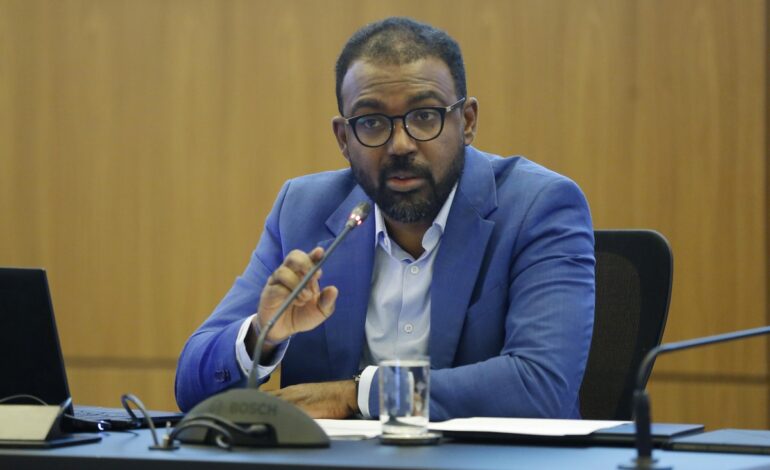

In a recent financial scandal, Director Aquino of the Banco Central (BC) firmly states he never advised BRB to acquire fraudulent card portfolios from Master. As investigations continue, Aquino voluntarily discloses his records to clear any doubts, demonstrating transparency and commitment to ethical practices. This article delves into the intricacies of the case and its broader implications.
Understanding the BC and BRB Connection
The relationship between Banco Central (BC) and Banco de Brasília (BRB) is foundational in Brazil’s banking sector. BRB, guided by BC regulations, plays a vital role in regional finance. Recent allegations concerning fraudulent card portfolios highlight the complexities within this relationship, compelling stakeholders to revisit regulatory frameworks and ensure stringent oversight.
Director Aquino’s Statement and Its Implications
Amidst the burgeoning controversy, Director Aquino has unequivocally denied any involvement in recommending the acquisition of fraudulent portfolios. By allowing access to his financial and communication records, Aquino seeks to dispel misconceptions and affirm his integrity. This bold move signals a commitment to accountability and sets a precedent for transparency in high-stakes financial environments.
The Role of Transparency in Maintaining Financial Integrity
Transparency is a cornerstone of trust in financial systems. Aquino’s decision to open his records is emblematic of this principle. The move not only aims to restore confidence but also serves as a reminder of the importance of ethical conduct in finance. As such, institutions are prompted to bolster their governance practices and safeguard against fraudulent activities.
Conclusion
Director Aquino’s proactive stance in addressing the allegations exemplifies a commitment to transparency and financial integrity. His decision to disclose personal records is crucial in differentiating fact from fiction, reinforcing the importance of ethical leadership. Moving forward, financial institutions must prioritize rigorous oversight and governance to prevent future breaches and maintain public trust.