New York City Cold Snap: Understanding the Rising Death Toll

In the wake of an intense cold snap, New York City grapples with the rising death toll, now at 13. This article explores the factors contributing to these fatalities, the response measures, and the broader implications for urban winter preparedness.
The Severity of the Cold Snap
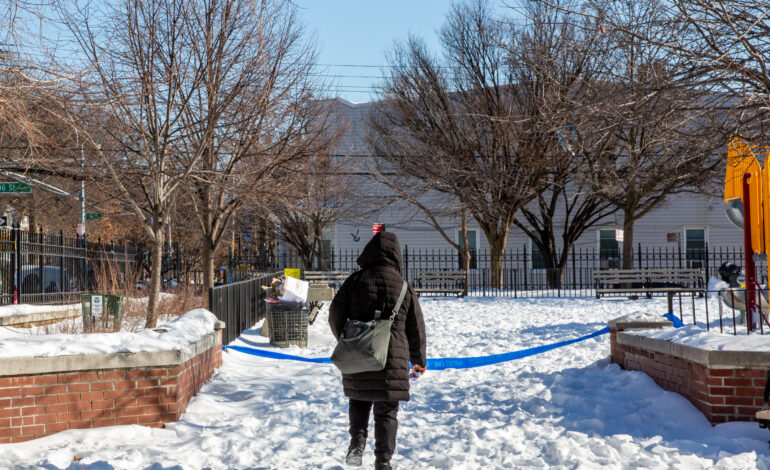
Unprecedented Temperature Drops: The recent cold spell in New York City has been one of the most severe in decades, with temperatures plummeting far below freezing. An analysis of historical weather data reveals the rarity of such extreme conditions.
Contributing Factors to the Death Toll
Vulnerabilities: Many victims were found to be among the homeless or elderly populations, highlighting the city’s pressing social issues. Lack of adequate shelter and resources during such cold weather can be fatal.
City’s Response and Emergency Measures
Efforts by City Officials: In response, NYC authorities implemented emergency shelter programs and distributed resources. Community involvement increased, offering help to vulnerable neighbors and assisting in outreach programs.
Lessons for Future Preparedness
Enhancing Infrastructure: The city must enhance its infrastructure to better handle similar future events. Proposed measures include more comprehensive emergency services and improved communication channels to inform the public.
Conclusion
The recent cold snap in New York City has underscored the vulnerabilities of urban settings during severe winter weather. With 13 lives lost, enhancing emergency responses and public awareness becomes paramount. Emphasizing preparedness and community support can mitigate future tragedies and resiliently face the challenges posed by extreme cold conditions.