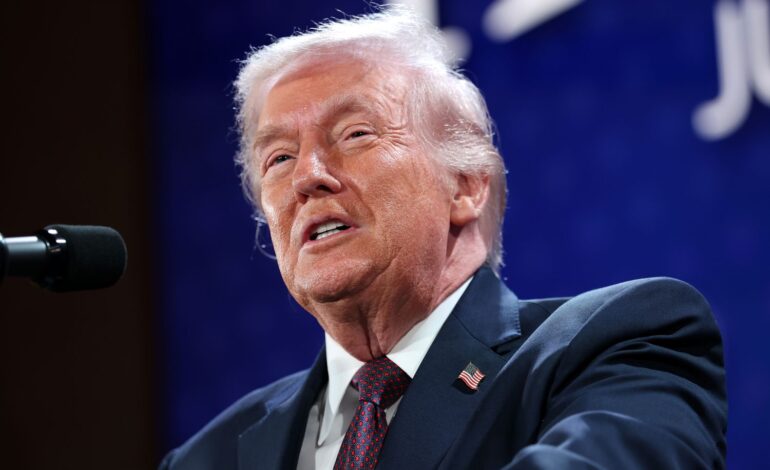

This article explores the new Trump Accounts initiative aimed at helping children build wealth, evaluating potential benefits and whether this plan may inadvertently exacerbate social inequality. We’ll examine key aspects of the policy to understand its implications for future generations.
Understanding Trump Accounts
The Trump Accounts initiative has been introduced to assist children in building wealth from an early age, providing them financial literacy and assets they can draw on in adulthood. These accounts are designed to accumulate assets tax-free, ensuring that funds grow over time. The policy aims to give every child a financial head start, but there are underlying concerns that merit deeper exploration.
Potential Benefits of Trump Accounts
By offering financial resources early on, Trump Accounts could significantly enhance children’s economic prospects. They provide opportunities for financial education and responsible saving habits that could contribute to breaking cycles of poverty. Additionally, the tax-free growth allows for substantial asset accumulation, offering a buffer against economic hardships later in life.
Risks and Concerns: Inequality and Access
Despite their potential, Trump Accounts may exacerbate existing inequalities if not implemented equitably. Those already advantaged stand to benefit disproportionately, potentially widening the wealth gap. Access to these accounts must be universal, with measures to ensure that children from economically disadvantaged backgrounds are equally positioned to benefit from the initiative.
Steps Toward Equitable Implementation
To prevent increased inequality, it’s crucial to address structural barriers that hinder equal access to Trump Accounts. Policies must focus on inclusivity, providing equal opportunities for all children, irrespective of their socioeconomic status. Further, financial literacy programs should accompany these accounts to equip children with the knowledge needed to manage assets wisely.
Conclusion
While Trump Accounts aim to empower children’s financial futures, they risk deepening existing inequalities. The ultimate impact depends on implementation and accessibility, with careful balance needed to maximize benefits while minimizing disparities. Policymakers must address structural inequities to ensure that such financial tools serve all children fairly.