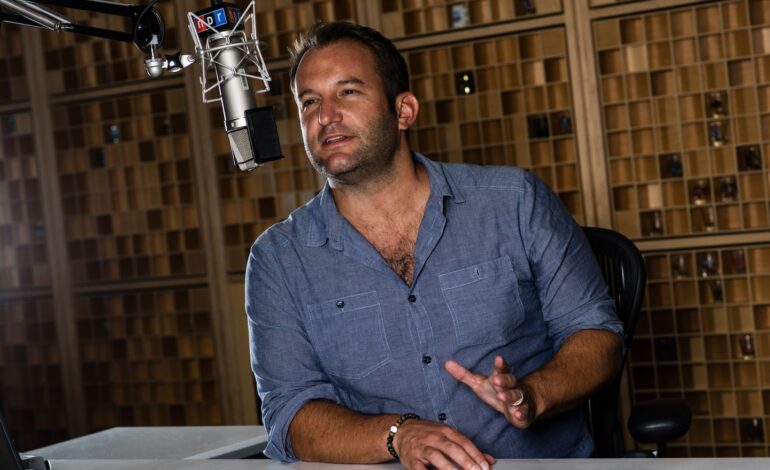

Renowned voice artist David Greene accuses Google of using his meticulously honed vocal skills in its artificial intelligence applications without permission. This claim raises significant ethical and legal questions about the intersection of technology and personal rights.
The Craft Behind a Distinct Voice
David Greene, a voice artist with a celebrated career, has spent years refining his vocal abilities. His voice is not only a product of natural talent but also of continuous practice, adaptation, and innovation. Greene’s voice has become a unique signature recognized across various platforms. He claims that Google’s use of his voice in AI systems, especially without his consent, undermines the integrity of his life’s work. This situation underscores an ongoing conversation about intellectual property rights in an era where artificial intelligence can mimic human expression with stunning accuracy.
Google AI and the Ethics of Voice Replication
As technology advances, companies like Google are tapping into AI to replicate and create human-like interactions. While this progression offers exciting possibilities, it also brings ethical dilemmas. Greene’s case highlights a critical issue—when does the use of someone’s voice in technological applications cross the line? There are arguments about whether existing copyright laws sufficiently protect individuals against such technological encroachments, and if new regulations might be needed to address these evolving challenges.
Potential Implications for the Tech Industry
The implications of Greene’s allegations extend beyond personal grievance, potentially affecting how tech companies operate. If his claims hold, companies may need to reconsider how they source and utilize human characteristics like voices in their projects. This could lead to more stringent scrutiny, requiring firms to secure explicit consent and perhaps offer compensation. The situation might also inspire new industry standards and tighter regulations governing AI’s use of real human voices, ensuring that innovation respects personal and intellectual property rights.
Conclusion
David Greene’s accusations against Google highlight a pivotal moment in the dialogue between technological advancement and personal rights. This case may prompt the tech industry to adopt more responsible practices and enforce stricter regulations. As AI continues to evolve, ensuring ethical standards are upheld will be crucial for maintaining trust and respecting individual contributions.