Mamdani’s Approach to Homeless Encampment Sweeps in NYC

Mamdani’s recent decision to reinstitute homeless encampment sweeps in New York City has sparked both support and controversy. This article explores the implications of this policy shift, its potential impact on the city’s homeless population, and the broader debate around homelessness and urban policy.
The Context of the Decision
In recent months, New York City has experienced a rise in visible homelessness, leading to increased public discussions on how best to address the issue. Mamdani’s decision to reinstitute encampment sweeps represents a controversial but significant shift in the city’s approach.
Understanding Homeless Encampment Sweeps
What are encampment sweeps?
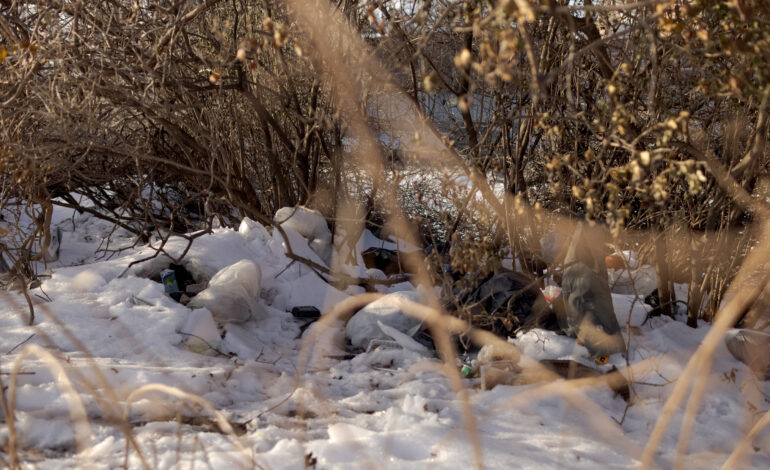
Encampment sweeps involve clearing unauthorized homeless settlements, generally carried out by city authorities. These actions aim to address public health and safety concerns, although they are often criticized for their impact on homeless individuals.
Reactions from Stakeholders
Supporters argue that reinstating sweeps is necessary for maintaining public order and ensuring public spaces are hygienic. Critics highlight the potential for increased vulnerability among the homeless, arguing sweeps could disperse, rather than address, the root causes of homelessness.
Potential Outcomes and Alternatives
While the impact of the sweeps remains to be seen, possible outcomes include a reduction in visible encampments. However, alternative solutions such as increased affordable housing and services could offer long-term benefits without the negative consequences of displacement.
Conclusion
Mamdani’s reinstatement of encampment sweeps in NYC underscores the complexity of addressing homelessness. While intended to improve public spaces, these actions spotlight the need for compassionate, sustainable solutions that address root causes rather than symptoms, indicating a broader conversation is necessary.