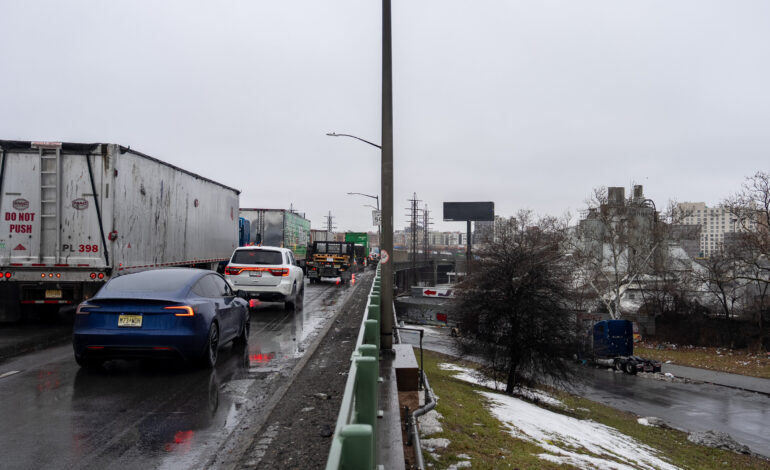
Reimagining the Flawed Legacy of the Cross Bronx Expressway

The Cross Bronx Expressway, long-criticized for its detrimental impact on the Bronx’s landscape and communities, faces potential reconstruction. This article explores whether it’s possible to upgrade this infamous highway without perpetuating its historical damage, focusing on community input, environmental concerns, and urban planning innovations.
Historical Context of the Cross Bronx Expressway
The Cross Bronx Expressway, conceived in the mid-20th century, has long stood as a symbol of urban disarray. Constructed under the supervision of urban planner Robert Moses, its creation involved uprooting lively neighborhoods and inducing decades of environmental and social strife. Understanding its history is crucial for appreciating the current challenges and opportunities that lie ahead.
Community Impact and Public Sentiment
The highway has severed communities, exacerbating socio-economic disparities. Residents have long dealt with noise, pollution, and economic decline. The proposed reconstruction amplifies concerns, as some fear more harm than good. However, it also provides a chance to harness community voices to shape a development that truly serves the Bronx’s residents.
Environmental and Health Considerations
The environmental toll of the expressway is undeniable, contributing to poor air quality and associated health problems. A revised highway plan must incorporate green spaces and other eco-friendly measures to mitigate pollution. Addressing these issues is essential for improving public health and aligning with broader environmental goals.
Urban Planning Innovations
Modern urban planning must reconcile infrastructure with livability. Innovations like “deck parks,” green roofs, and improved public transport could transform the Cross Bronx Expressway. These approaches promise to restore the urban fabric without sacrificing traffic flow, offering models for sustainable city growth worldwide.
Path to Reconciliation: A Collective Effort
A successful redevelopment of the Cross Bronx Expressway necessitates a collective effort involving local residents, urban planners, and policymakers. Transparent dialogue and shared responsibilities can lead to a holistic solution that serves both infrastructural efficiency and social equity, ultimately leading to the revitalization of the Bronx.
Conclusion
Revamping the Cross Bronx Expressway presents an opportunity to right past wrongs. By prioritizing community involvement and green solutions, it’s feasible to reconcile infrastructure needs with environmental and social equity, paving the way for a sustainable future in urban development.