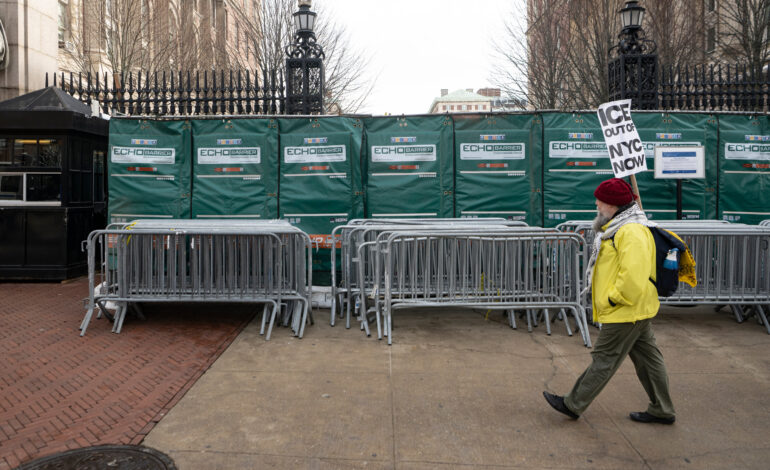
Understanding the Role of ICE Agents on College Campuses

Recent events have highlighted the complex and often contentious role of Immigration and Customs Enforcement (ICE) agents on college campuses. This article explores the regulations and rights governing ICE activities, their impact on students, and the broader implications for higher education institutions. Understanding these factors is crucial for stakeholders in fostering a secure and supportive academic environment.
The Scope of ICE Authority on Campuses
ICE agents operate under federal jurisdiction, allowing them access to public spaces, including college campuses, under certain conditions. Their authority is generally limited by institutional policies that protect students’ rights. **Balancing law enforcement with educational autonomy** is a delicate task that requires clear guidelines and transparency.
Institutional Policies and Student Rights
Many universities have implemented policies to regulate ICE presence on their campuses. These policies aim to provide **a safe haven for students**, emphasizing privacy and legal rights. Students should be informed about their rights, such as refusing voluntary interviews, to ensure they feel protected within their educational environment.
Impact on Campus Climate and Student Well-being
The presence of ICE agents can have a profound effect on campus climate, potentially causing anxiety and distrust among students, particularly undocumented ones. Institutions are tasked with maintaining **a supportive and inclusive atmosphere**, balancing compliance with federal laws while prioritizing student welfare.
Legal and Ethical Considerations
Navigating the legal landscape surrounding ICE activities on campuses requires a careful analysis of both national laws and educational regulations. Ethical considerations also play a crucial role, as institutions need to foster **equity and justice**, ensuring that all students have equal access to education without fear of unwarranted interference.
Conclusion
The presence of ICE agents on college campuses presents multifaceted challenges. By understanding the scope of ICE authority, implementing protective policies, and fostering an inclusive environment, institutions can better support their students. This balance ensures that educational spaces remain secure while respecting legal obligations and ethical imperatives.