The Climatic Impact of Air Conditioning on Global Warming by 2050

As global temperatures rise, reliance on air conditioning systems is escalating, potentially exacerbating climate change issues. The growing demand for cooling solutions raises critical questions about their environmental impact and sustainability. This article delves into how air conditioning might affect global warming by the mid-21st century, exploring potential consequences and solutions.
The Rising Demand for Air Conditioning
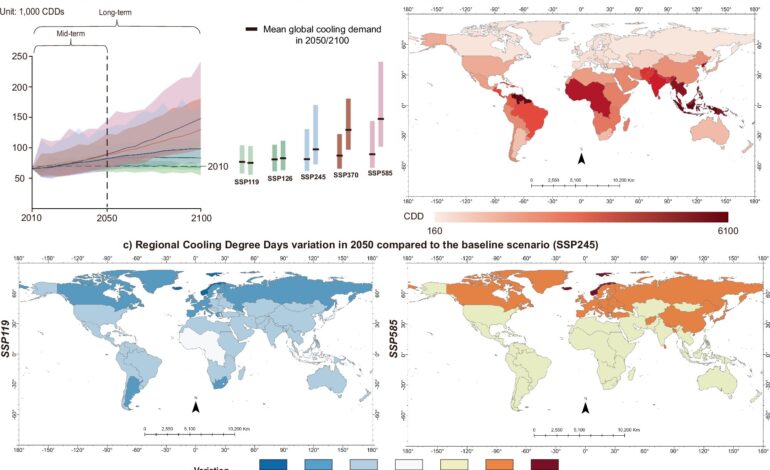
The world is experiencing increasingly hotter summers, which in turn has led to a surge in the demand for air conditioning units. This rising demand is not limited to developed countries but is becoming prevalent in developing nations as well. From 2020 to 2050, it is expected that there will be a significant increase in the number of air conditioning units installed worldwide.
Environmental Impact of Air Conditioners
While air conditioners provide much-needed relief, they are responsible for a substantial amount of energy consumption. The majority of electricity used to power AC units is still generated from fossil fuels, which contributes significantly to greenhouse gas emissions. Furthermore, the use of refrigerants in these systems has its own detrimental effects on the ozone layer and climate change.
Technological Advancements and Innovations
Despite these challenges, there are ongoing technological advancements aimed at reducing the environmental footprint of air conditioning systems. Energy-efficient models and the development of eco-friendly refrigerants are among the innovations designed to combat their negative impact. Additionally, integrating renewable energy sources, such as solar power, can help in cutting down emissions.
Policy Initiatives and Global Efforts
Governments and international organizations are increasingly recognizing the need for policy measures to manage the environmental impact of air conditioning. Initiatives promoting energy-efficient appliances, encouraging research into sustainable cooling methods, and setting strict standards for refrigerant usage are crucial steps in addressing these concerns globally.
Sustainable Cooling: The Path Forward
To sustainably meet cooling needs, a combination of technological innovation, policy measures, and public awareness is essential. Promoting passive cooling strategies in building design, investing in research for alternative cooling technologies, and implementing public awareness campaigns on energy-efficient usage are vital to mitigating the impact of air conditioning on climate change.
Conclusion
As the world grapples with rising temperatures, the increase in air conditioning use cannot be ignored. Its impact on global warming is significant, calling for urgent actions to promote sustainable practices. By innovating technology, implementing effective policies, and encouraging global cooperation, we can mitigate the adverse effects and move towards a climate-resilient future.