
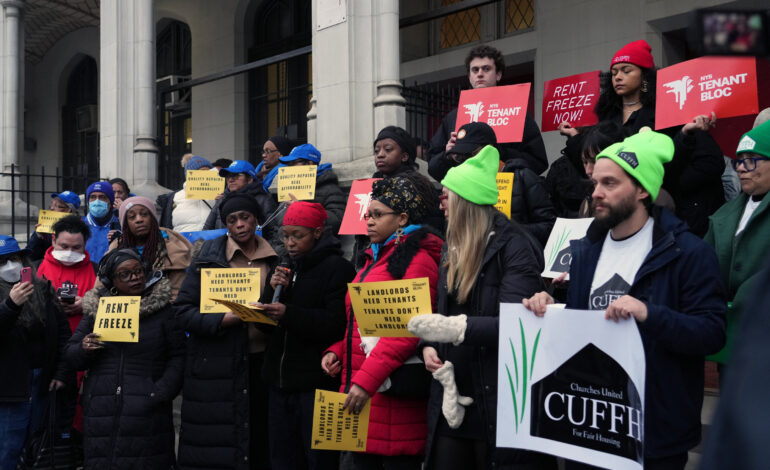
The Roommate Revolution: New York’s Shift in Housing Dynamics

The skyrocketing rent prices in New York have sparked a unique social phenomenon among young residents: a roommate revolution. This article explores how New Yorkers are adapting their living situations due to economic pressures, highlighting legislation efforts spearheaded by local politicians to combat housing inequality.
The Current Housing Crisis in New York
The housing market in New York has reached critical levels of affordability issues, particularly impacting young residents. With rent prices soaring, more New Yorkers are opting for shared living situations to mitigate financial strain. The city’s lack of affordable housing has forced many to creatively adjust their lifestyles, leading to a surge in demand for roommate arrangements.
The Role of Legislation in Shaping Housing Solutions
Local politicians, including Zohran Mamdani, are taking action against the disproportionate rent increases affecting New Yorkers. During recent hearings, issues such as unethical landlord practices and loopholes in rent laws have been brought to light. Comprehensive legislative efforts are underway, aiming to enforce rent control and protect tenants’ rights, offering a glimmer of hope for those struggling.
The Social and Cultural Impact of the Roommate Trend
The trend of cohabitation extends beyond economic necessity, influencing social and cultural dynamics within the city. Shared living spaces have become a hub for community-building and collaboration among young people. This cultural shift is redefining what it means to live in New York, as collective living spaces encourage the sharing of ideas and resources.
Future Implications for Urban Living
As the roommate revolution gathers momentum, it is reshaping the urban landscape of New York. This trend may lead to long-term changes in housing development, with a potential increase in co-housing projects and shared community spaces. The evolution of living arrangements in New York signals a transformative era in urban habitation, influenced heavily by economic forces and legislative reforms.
Conclusion
The rising cost of living in New York has prompted a significant shift towards cohabitation among young residents. Legislative efforts are aimed at mitigating these challenges by addressing rent control and tenant rights. This roommate revolution is not only a response to financial pressures but is also reshaping the social fabric of urban living in New York.